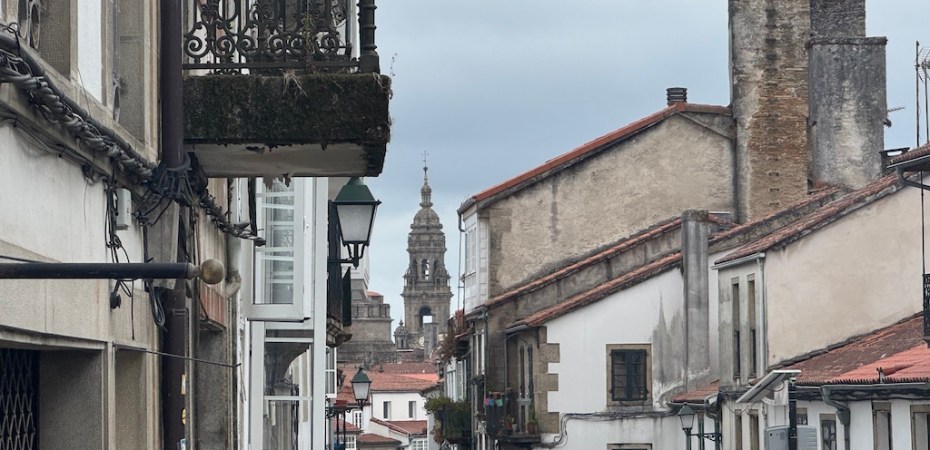
The Camino de Santiago in Spain is a route through Spain that began nearly 1,000 years ago, and has in recent years become fairly popular – e.g. in 2024, roughly 500,000 trekkers hiked at least 100km of it.
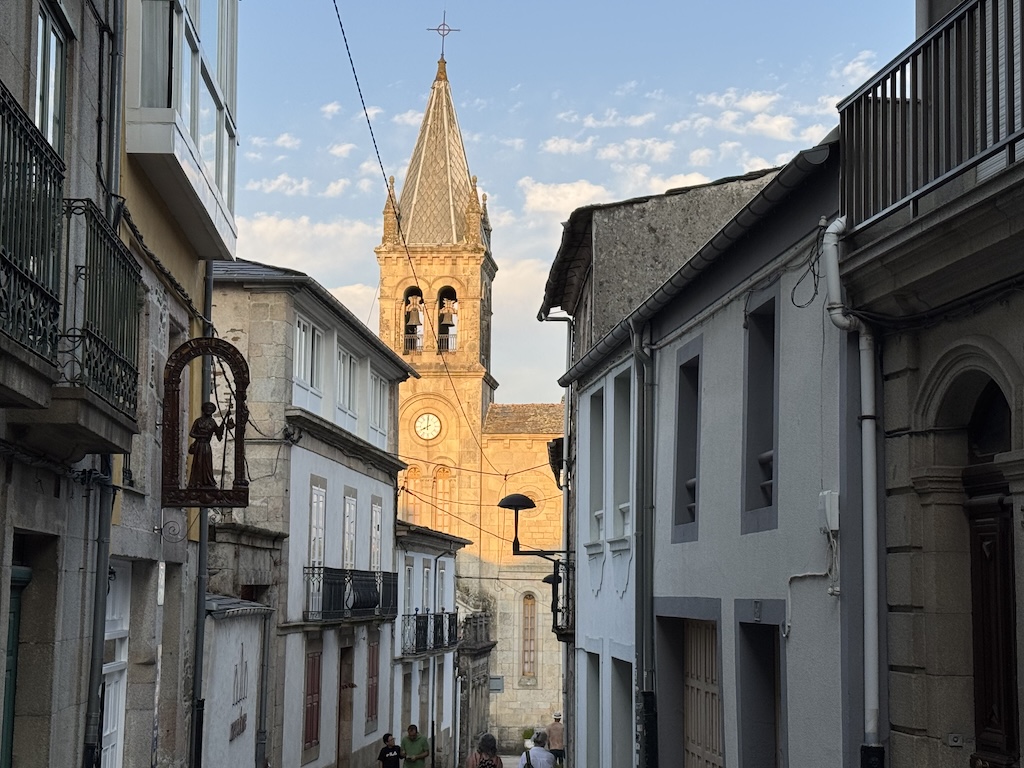
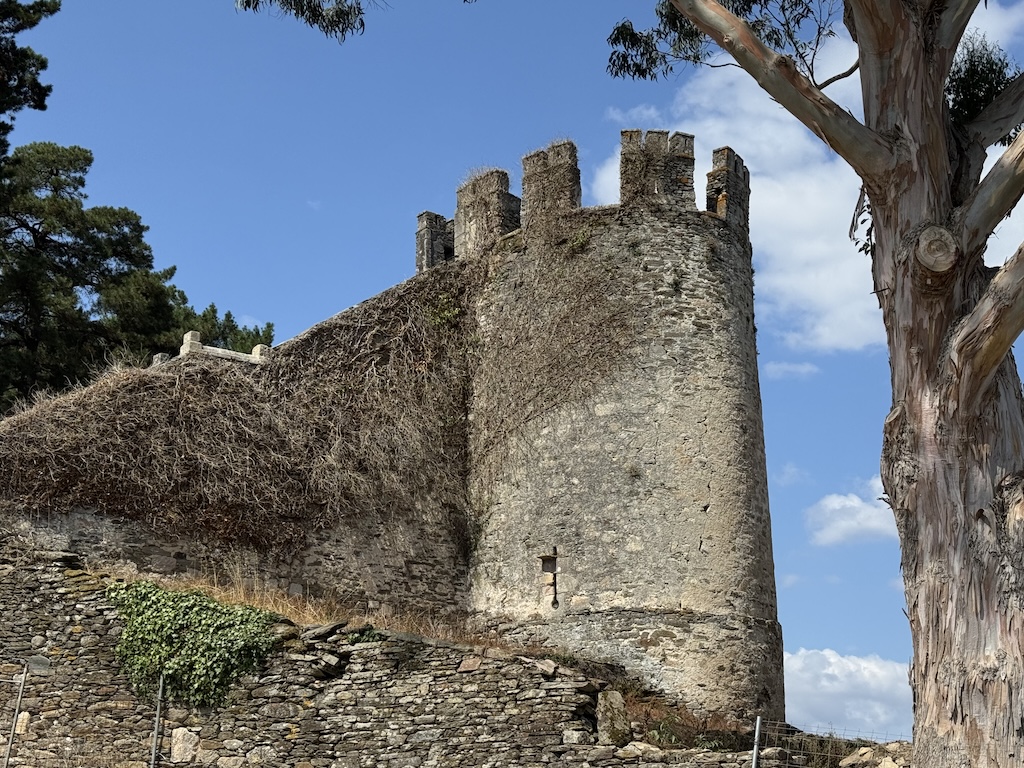
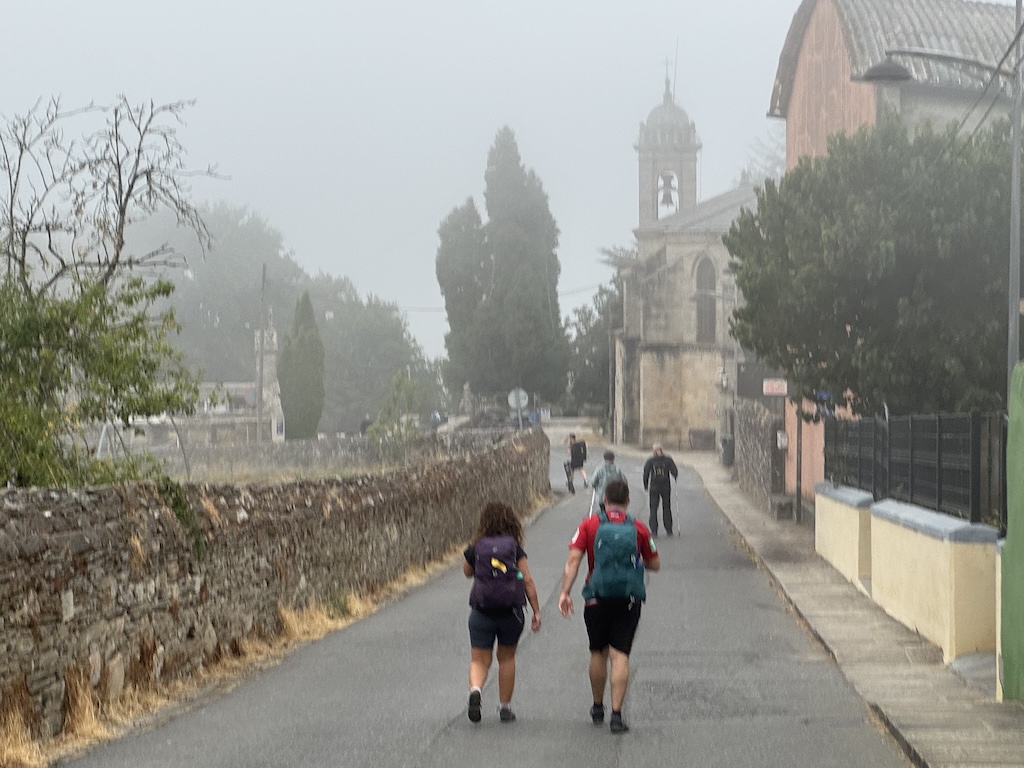
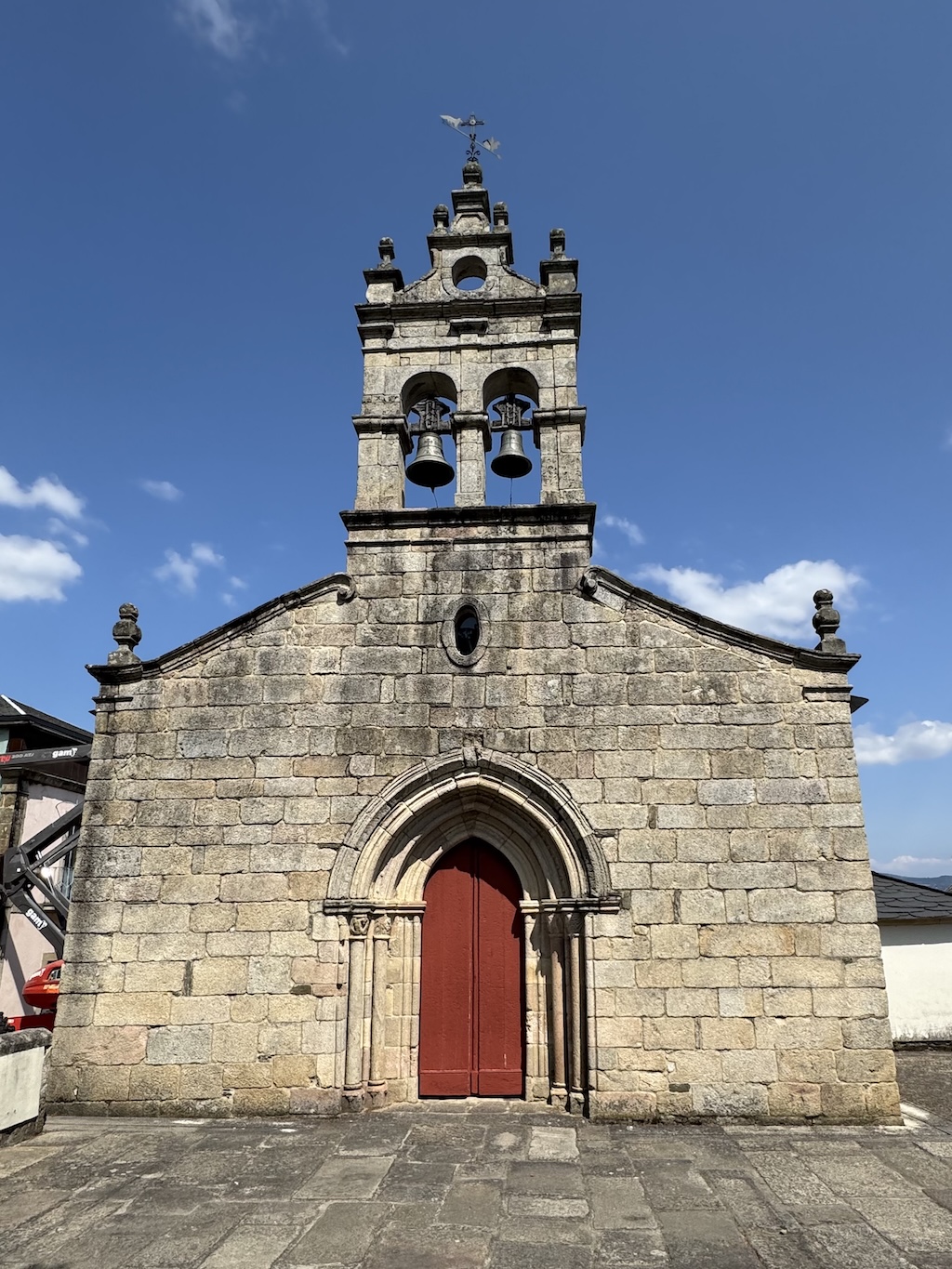
Historically, this network of paths was originally built for religious pilgrims to visit the bones of St. James in in the cathedral in Santiago de Compostela. According to the museum, in the middle ages, it was the third most important Christian pilgrimage destination after Rome and Jerusalem. Even though many folks now don’t hike for religious reasons, there is still often a component of self-reflection, or a spiritual component, associated with the trail. I thought in practice that this brought a very nice ambiance to the experience.
After sending my son off to college, and navigating some potential career twists, I decided to try part of the trek myself!
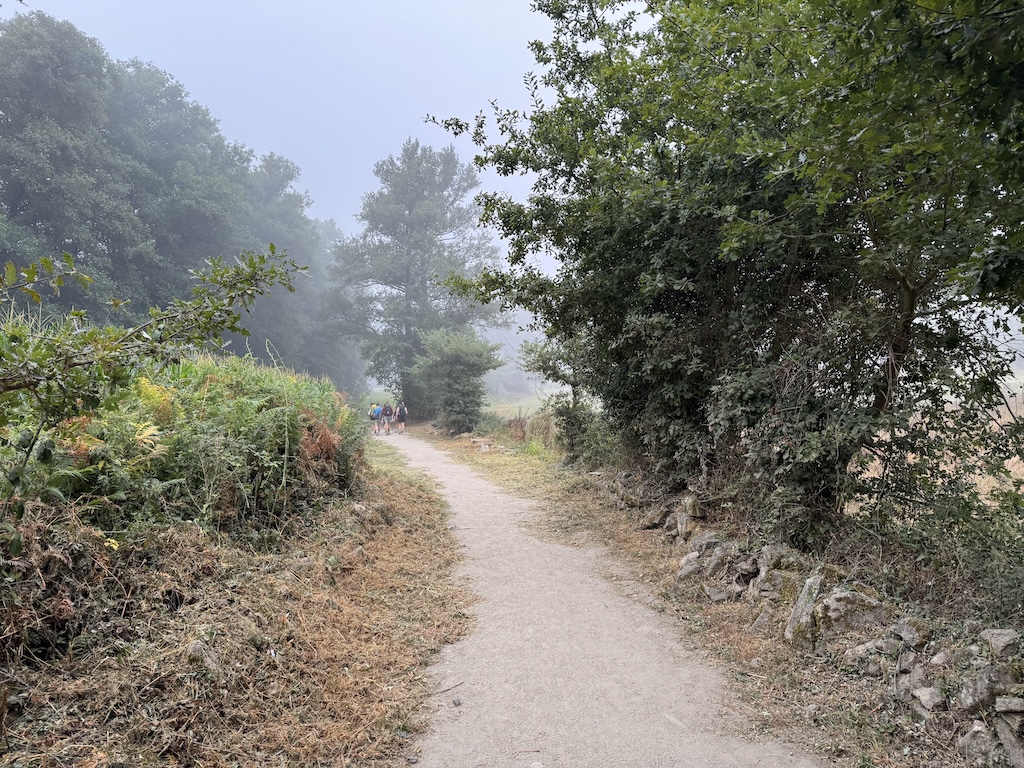
Researching the Route
I started researching the subject – bought a book, did online searches, and watched many Youtube videos.
Some of my high level learnings about the Camino:
- The most popular route is Camino Frances in Northern Spain. The entire route is 770km (480mi) from the southwest edge of France, which would take 35+ days. But most people don’t hike the whole thing.
- If you walk at least the final 100km (62mi), you get a completion certificate for the Camino, provided you get your booklet stamped along the way. This seemed like a good goal.
- Doing the final 100 km on the Camino Frances typically requires starting in Sarria (at the 115 km mark) and doing roughly 5 days of hikes. Some folks break this up into more than 5 days.
- There are several other routes, e.g. from Portugal, or along the Northern coast. But I was inclined to start with the most common route.
Dorms vs Hotel/Luggage Service
I also learned that not everybody carries all their gear on their back and stays in hiker hostels.
- The traditional approach – particularly in one’s 20’s – that you see on many blogs and videos is to stay at Auberges along the trail with inexpensive dorm-style beds. There’s often a communal dinner, and you carry all your belongings in your bag – ideally keeping it under 10kg, e.g. carrying only a few sets of socks, etc.
- More comfortable approaches – there are real hotels along the way as well, most of which are not expensive by big city standards. Additionally, the luggage services can transport a bag between those stops – and typically costs less than 10 Euros per day. That way, you can just hike with a minimal day bag with, e.g. water bottles and a hat.
Since I’m in my 40’s now – the more comfortable approach made more sense to me. It helped seal the deal that I found an agency online (https://orbisways.com/, not a sponsored link) with a package, where they booked reasonable hotels and the luggage service for me. Perhaps I might do the more hard-core approach in the future, but I wanted a gentle intro to the Camino. There are other blogs and videos which better discuss how to plan for the more traditional route.
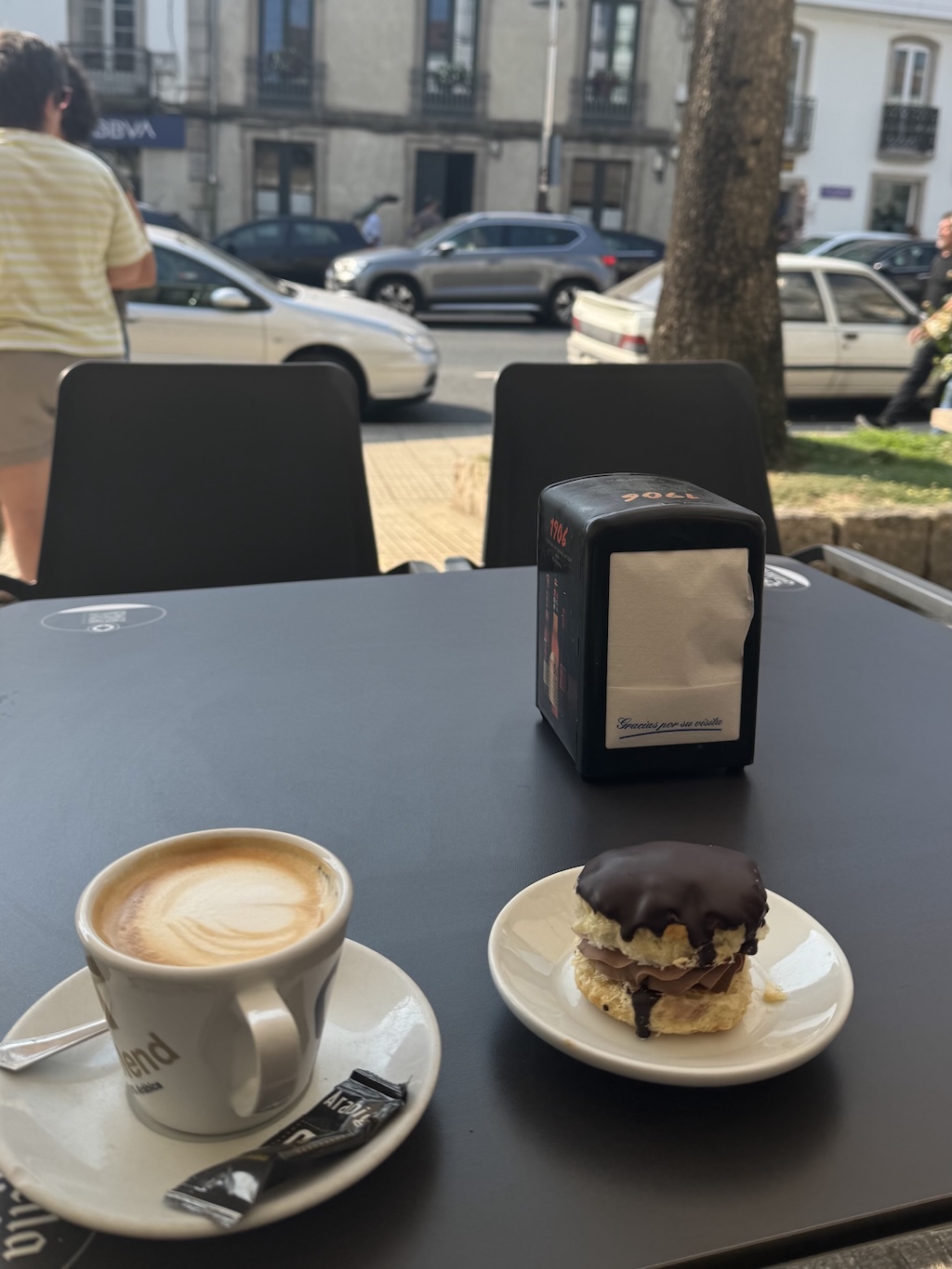
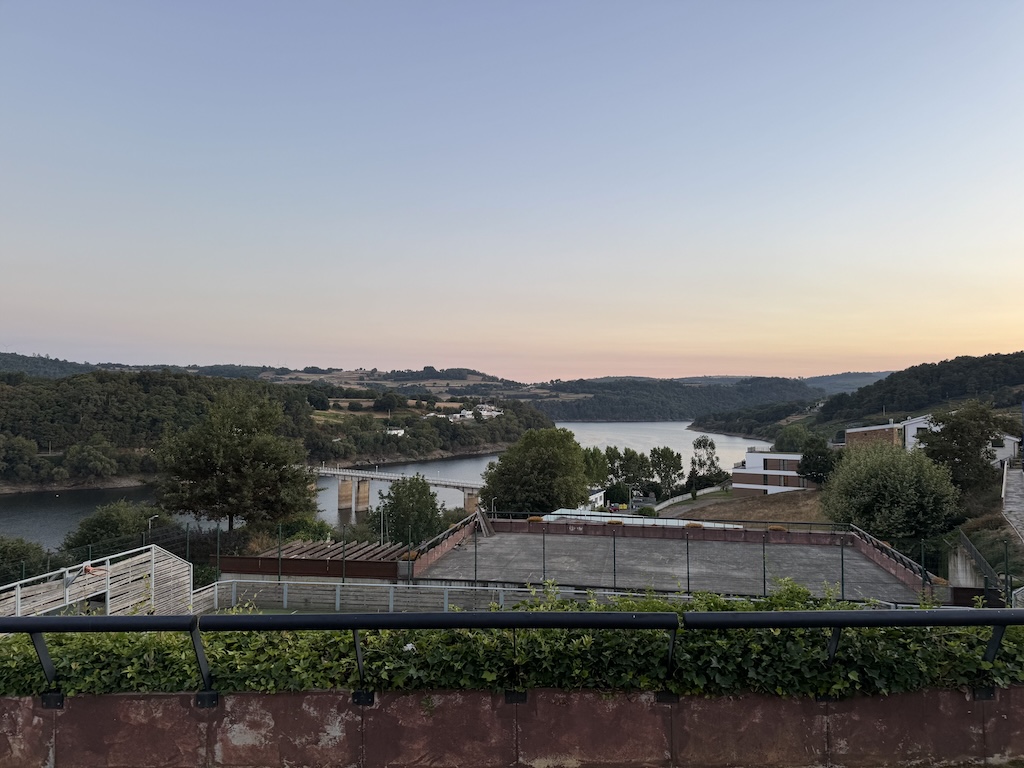
Regardless, in the section that I hiked, there were usually small restaurants/cafes at least once an hour or two on the route, so it’s totally possible to stop for a coffee or pastry, perhaps multiple times. It wasn’t a complete wilderness trek by any means.
Planning the Trip There/Back
To get there – I flew into Madrid, and took the train to Sarria. The high speed train from Madrid to Sarria takes about 4 hours, with a train switch in Ourense. The alternate suggestion is to take a flight into Santiago and the bus from there to Sarria. Though in my case, since I’d never been to Madrid before, I elected to fly into Madrid, spend the afternoon/evening in Madrid, take the train to Sarria the next day, and start the hike at 8am the following day.
After the trek – seeing that Santiago was near Northern Portugal, and decided to tag on a couple of days at the end, and fly to home from Porto, Portugal. In addition, I added an extra night from Santiago – some people use it to take a day trip via bus to Finisterre. After that, spent a night in Braga, and then a night in Porto. There are ways to tag on additional days, but I also needed to get back home.
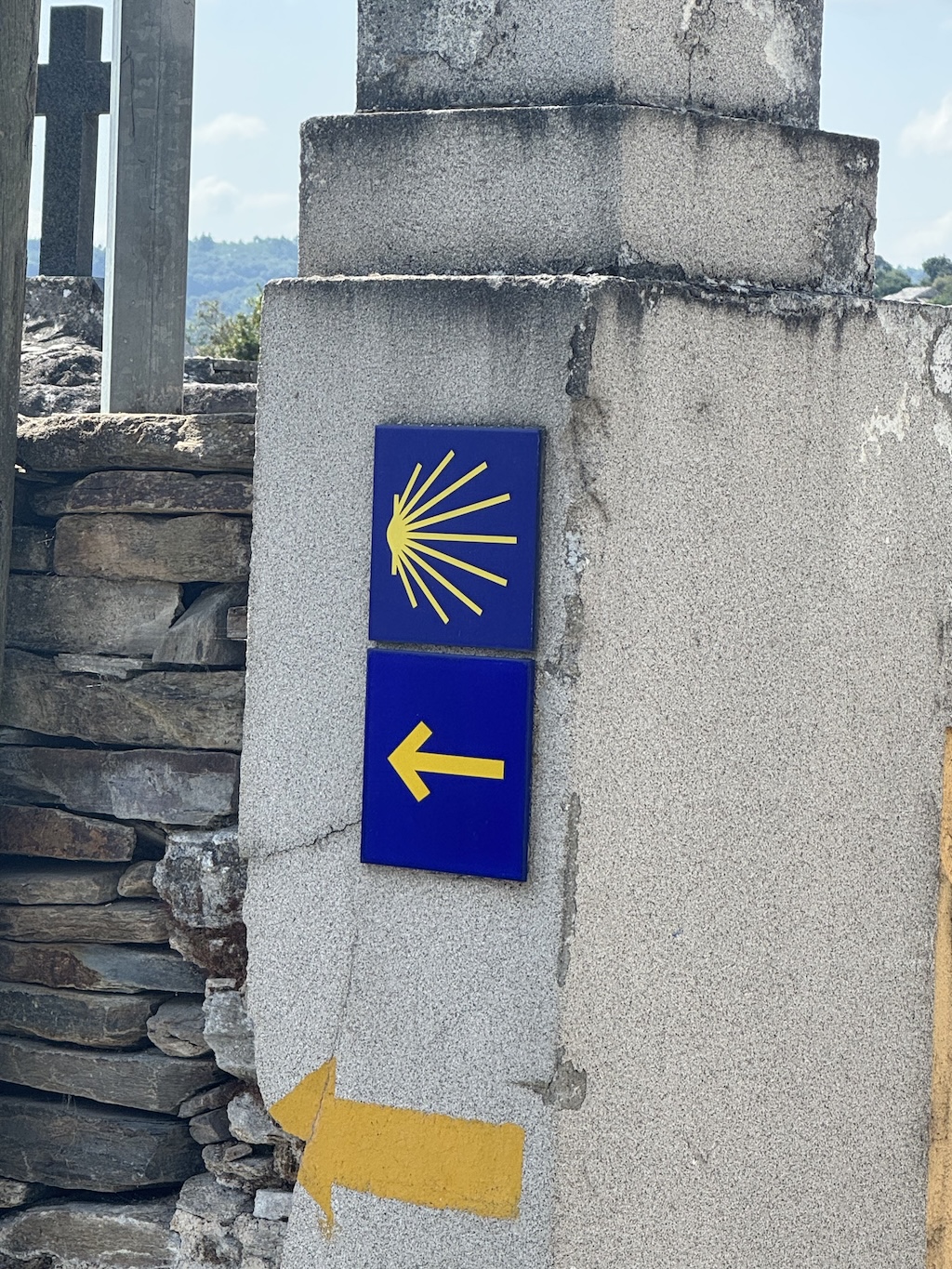
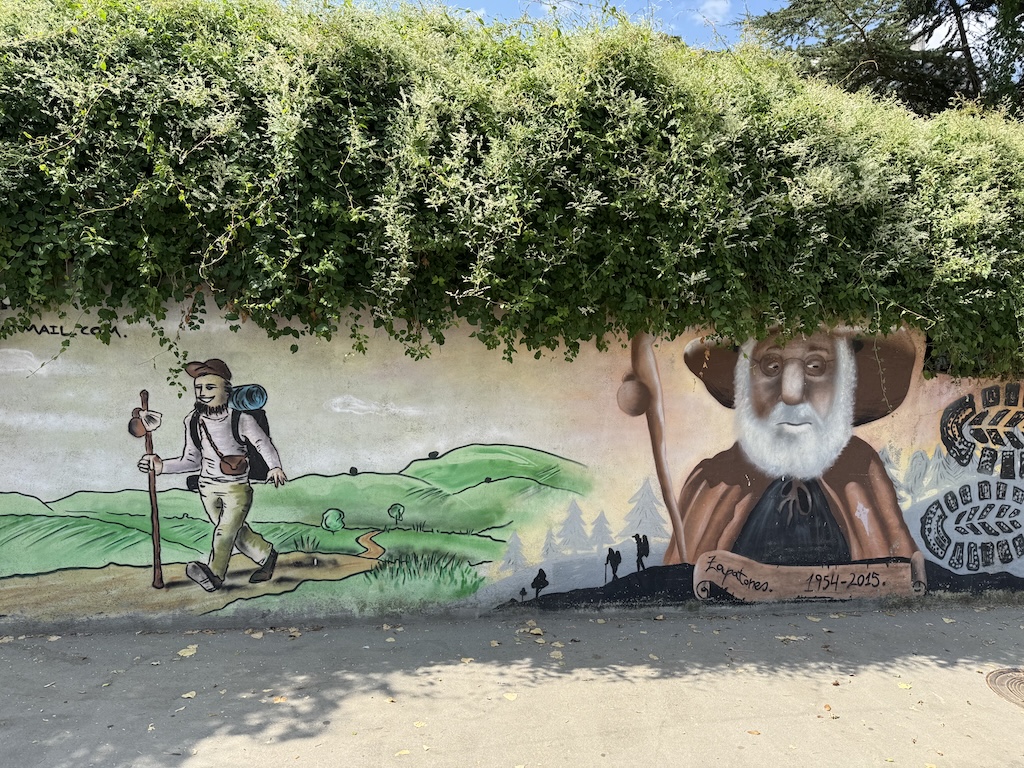
As to how to get around – I found the Buen Camino phone app to be helpful, though there are other decent ones as well. On the trail, there are a ton of yellow and blue trail markers everywhere, so it was fairly easy to stay on the trail.

Thoughts from Having Just Done the Route
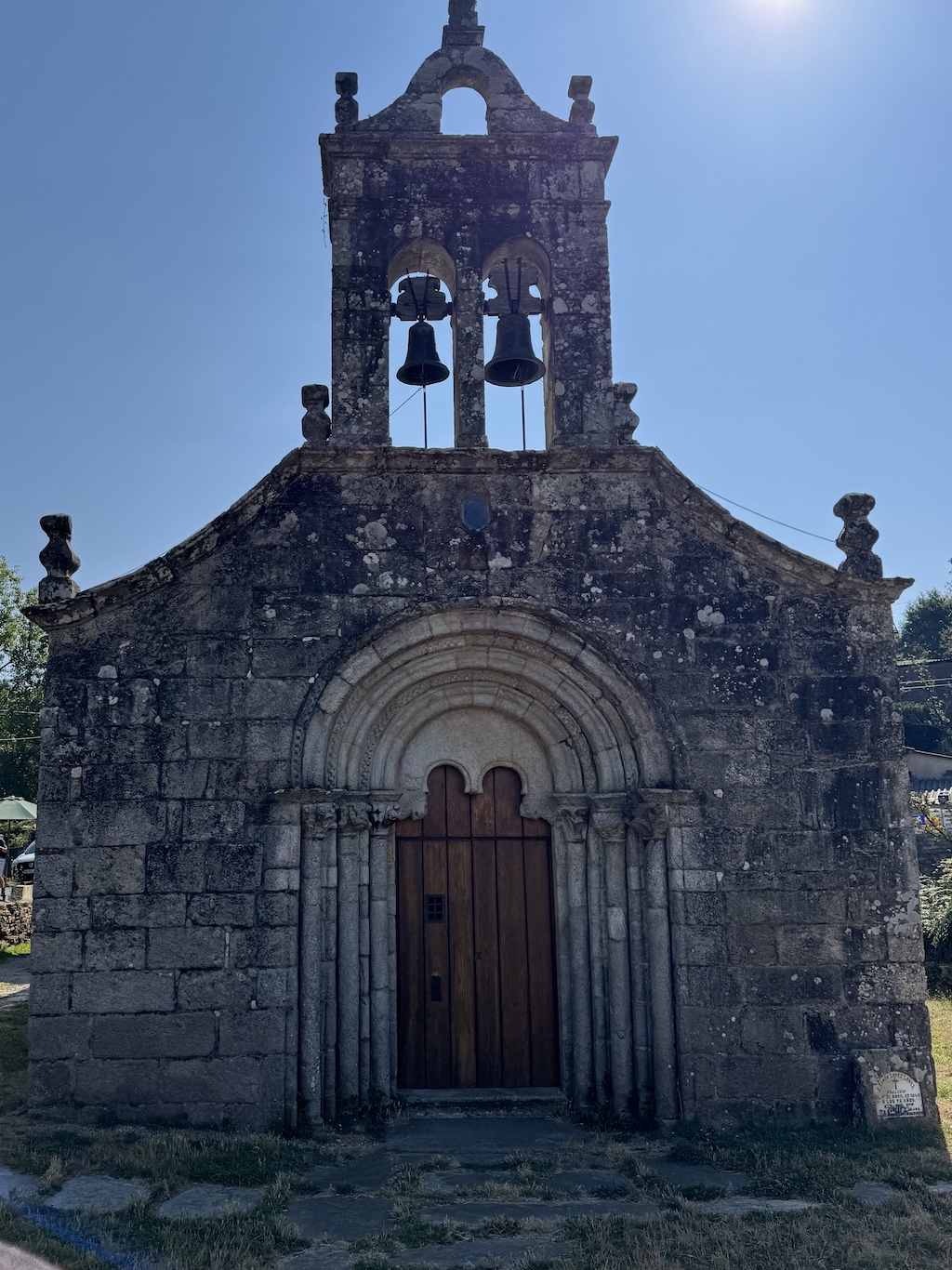
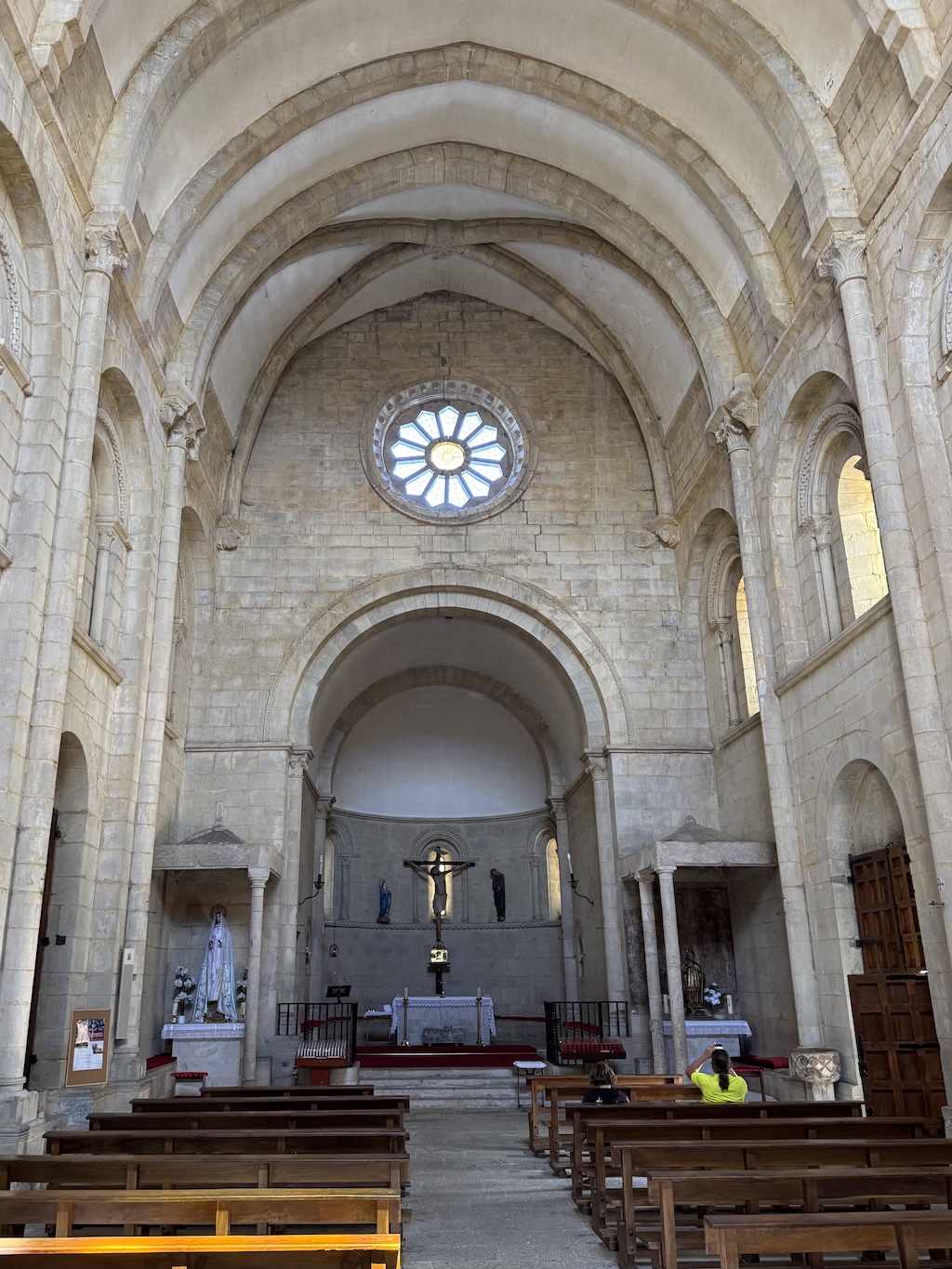
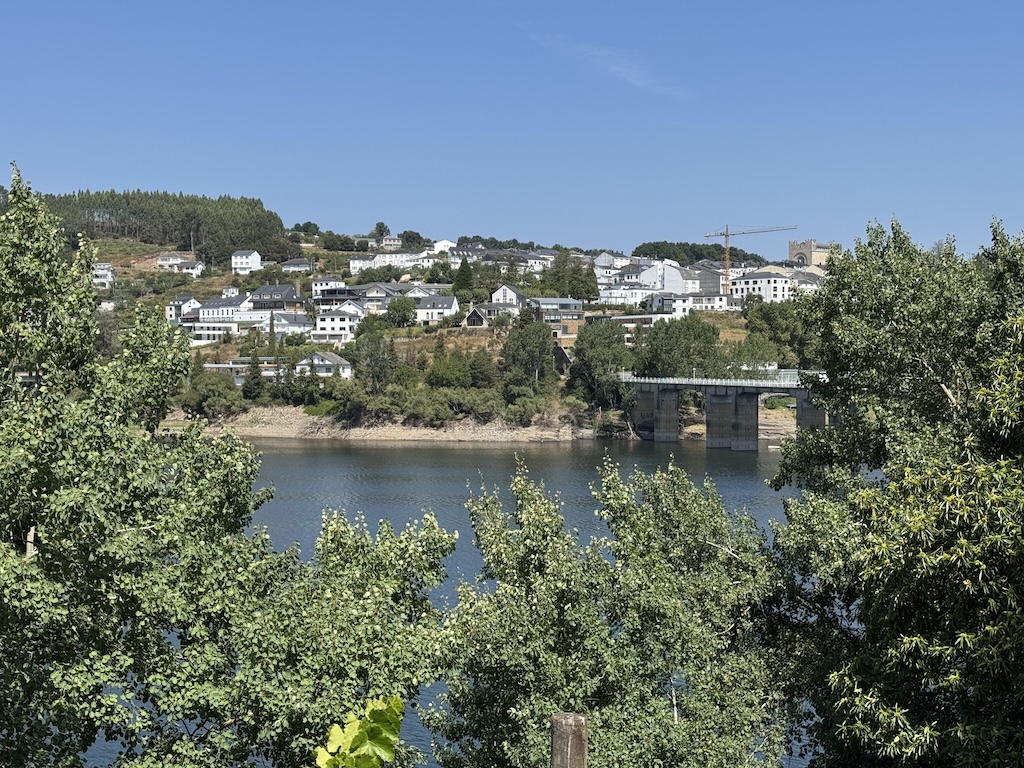
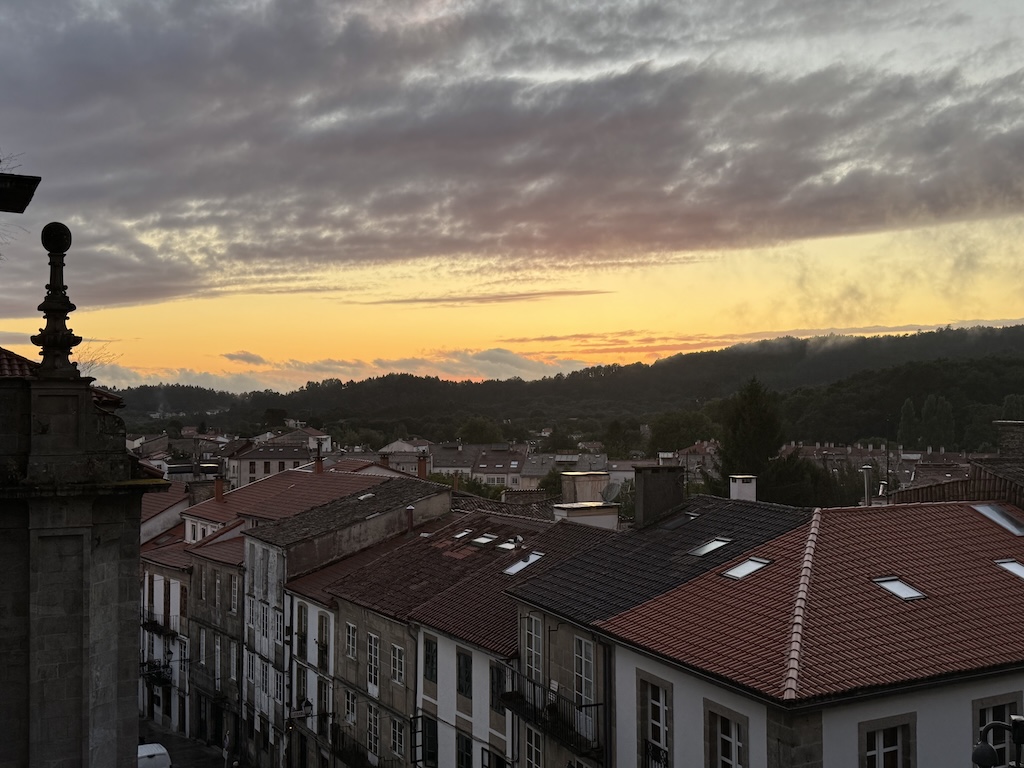
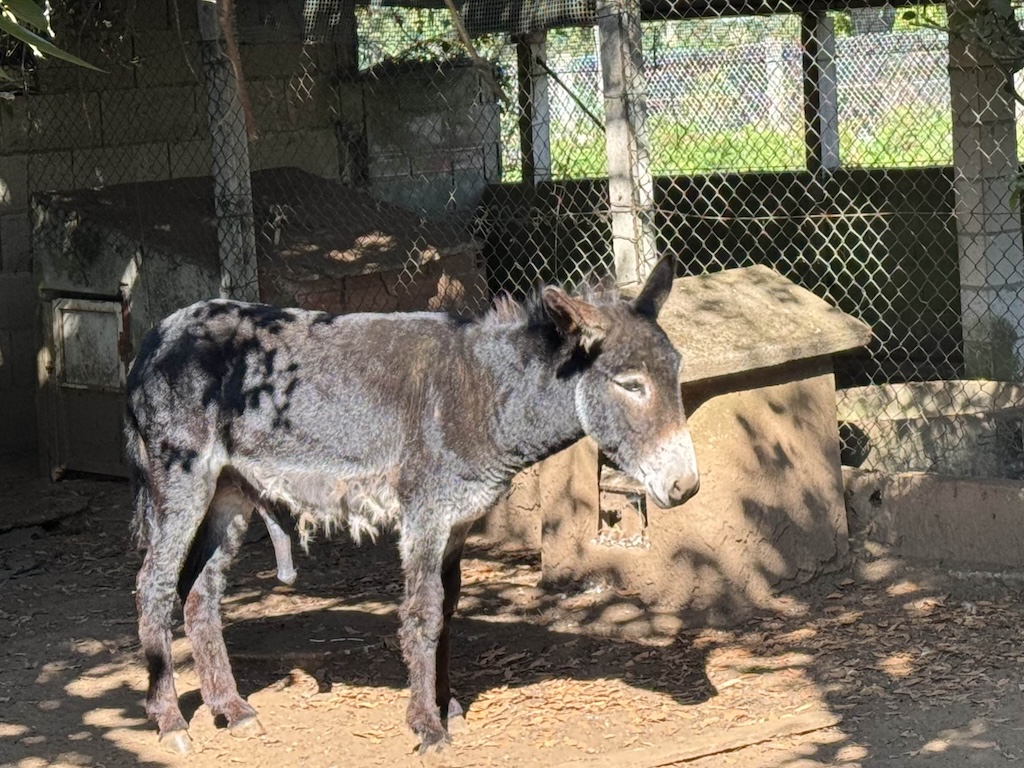
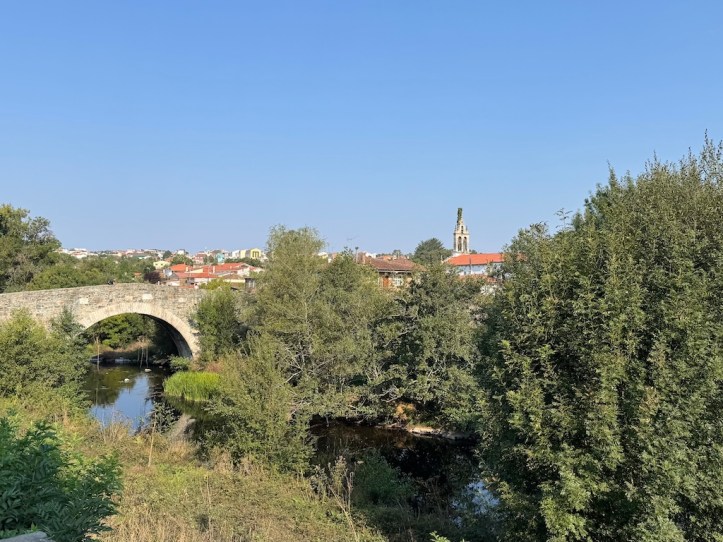
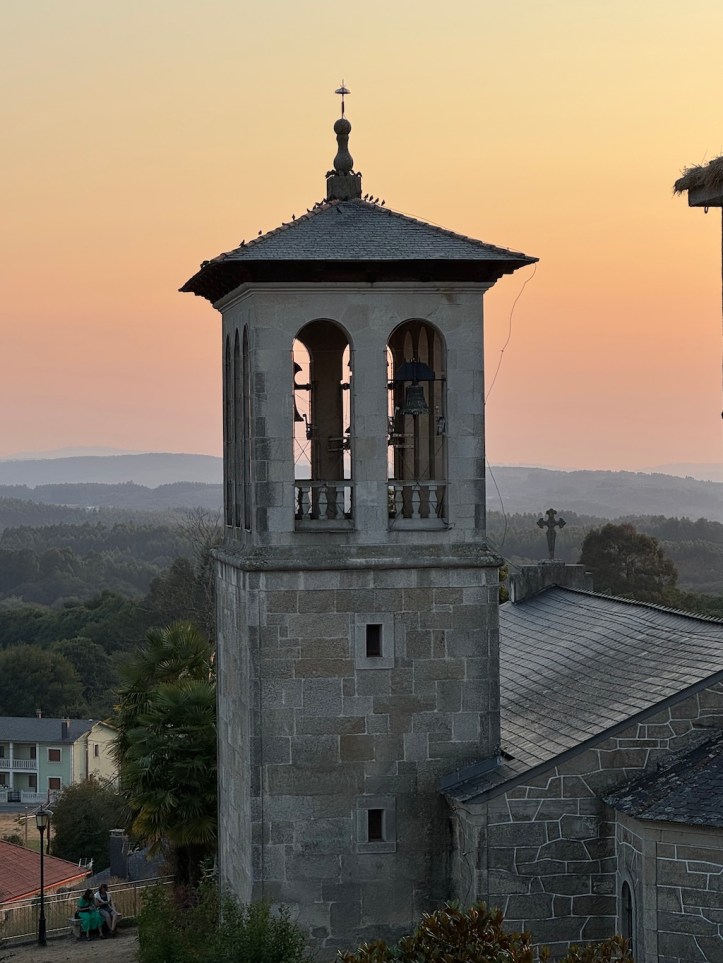
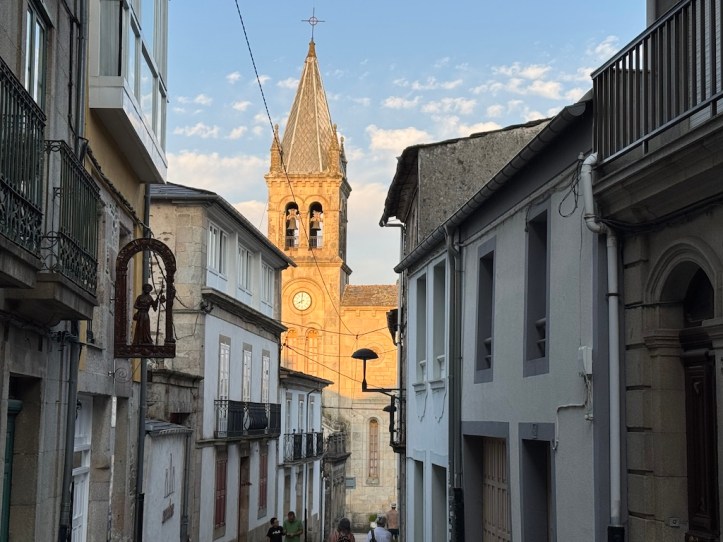
It was pretty awesome. Some of the landscape reminded me of some parts of California (e.g. maybe Sonoma, but a bit greener), albeit with an Old World charm – stone churches, cute towns, and small family farms. A lot of people walked in groups, sometimes ad hoc, though given the spiritual/reflective bent, solitary was ok as well. Much of the crowd was Spanish, but there were a decent number of international folks as well.
As a caveat- even though the Sarria-to-Santiago route I chose was only “5 days of walking” – it involved some effort, particularly with the rolling hills. There were little kids and old folks hiking, so it is doable. But you should prep/train, even if you have hotels and luggage service. My iPhone indicated an average of 35k steps/day, all-in. It wasn’t mountain trekking, but e.g. my first day was a 22km (13.7mi) route, with 350m (1100ft) uphill, 420m (1390ft) downhill, plus a few km around town. Being from somewhere very flat, the calves on my legs were quite sore in the hotel room the first few evenings.
Schedule-wise, I found myself typically hiking about 6 hours per day. I basically always started around 8am, since this is the deadline for the luggage service, getting a nice breakfast buffet on the way out. After showering and eating, I found myself resting for a few hours before looking around the town in which I’d arrived. And found myself sleeping very solidly those evenings.
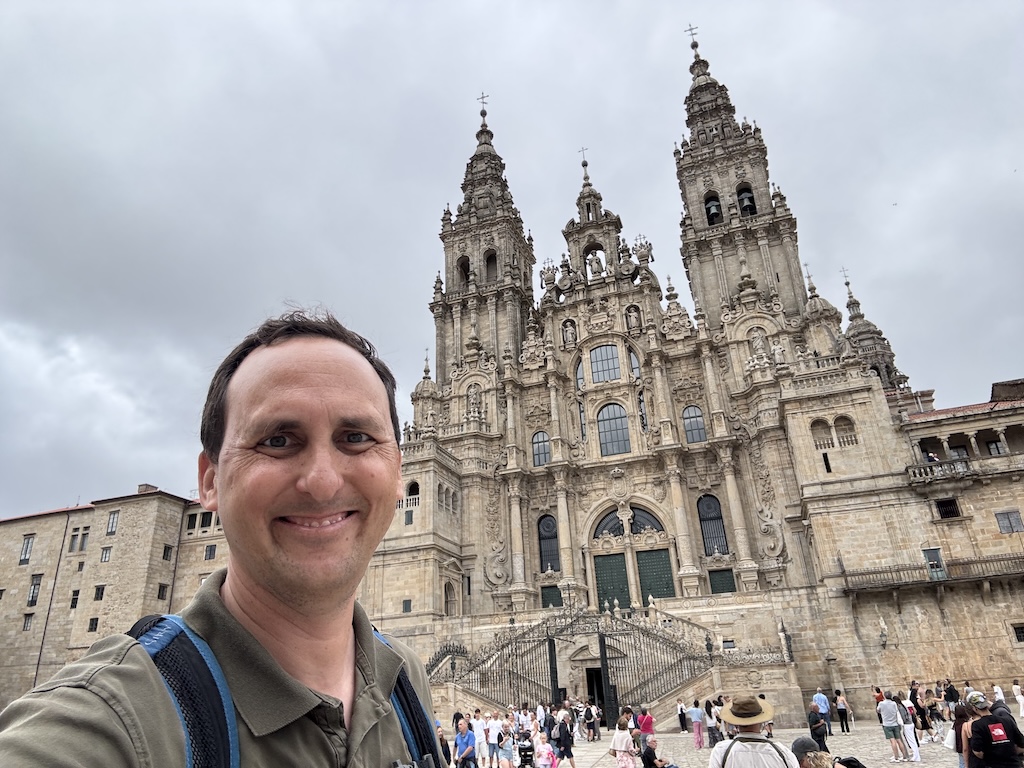
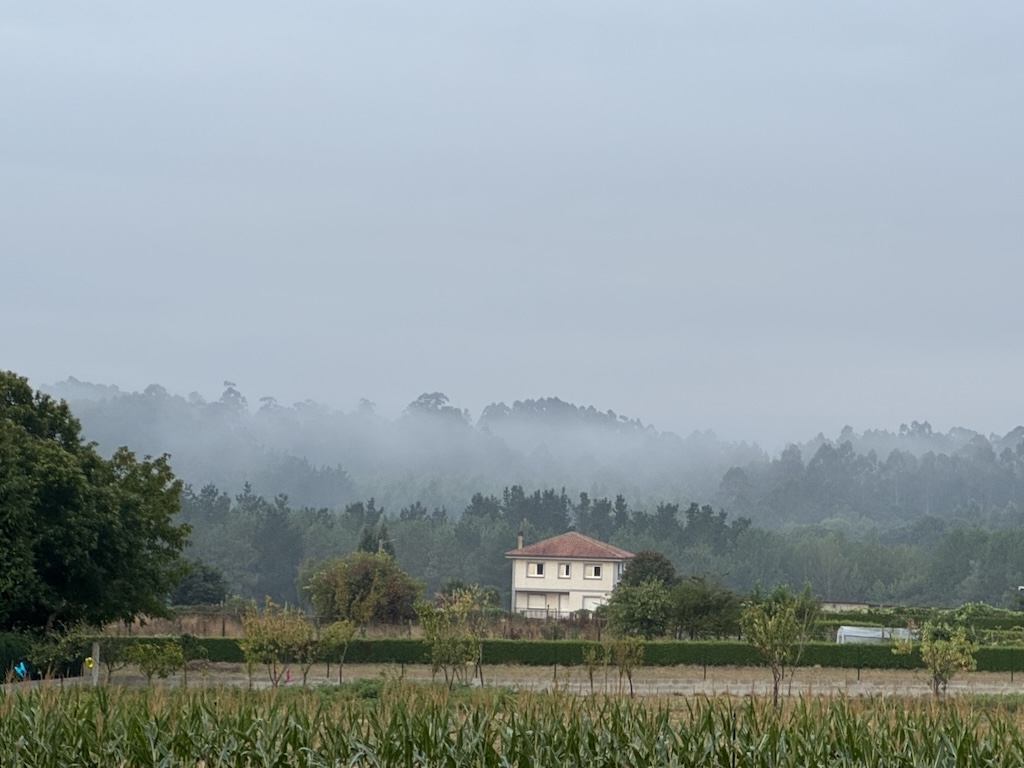
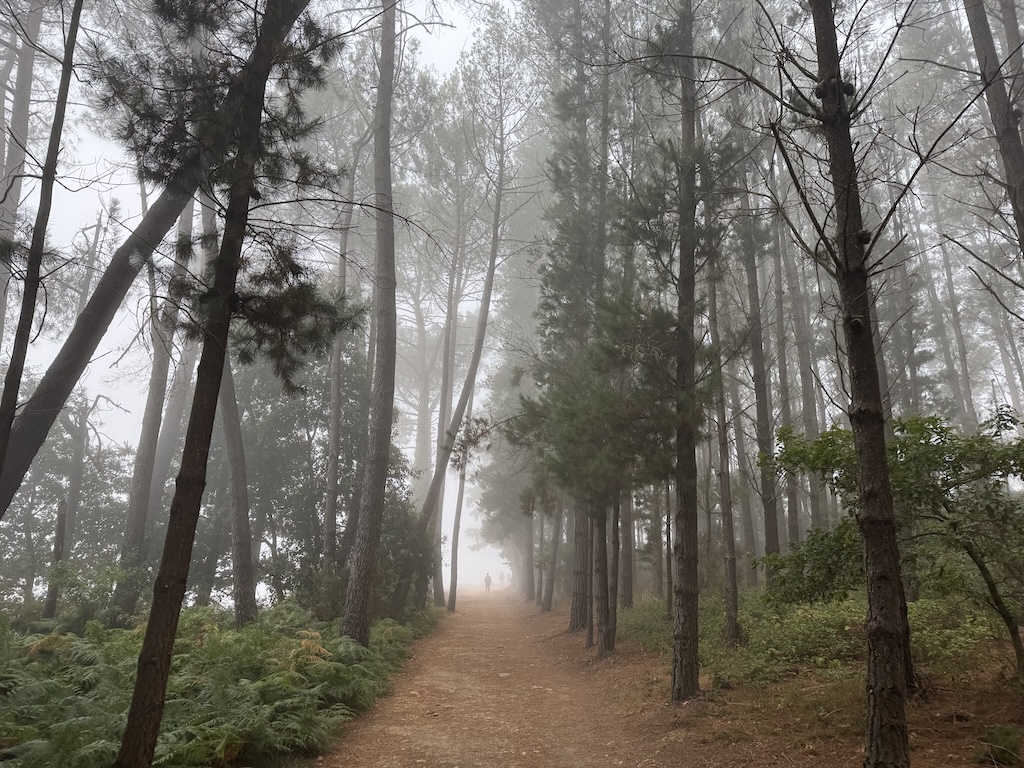
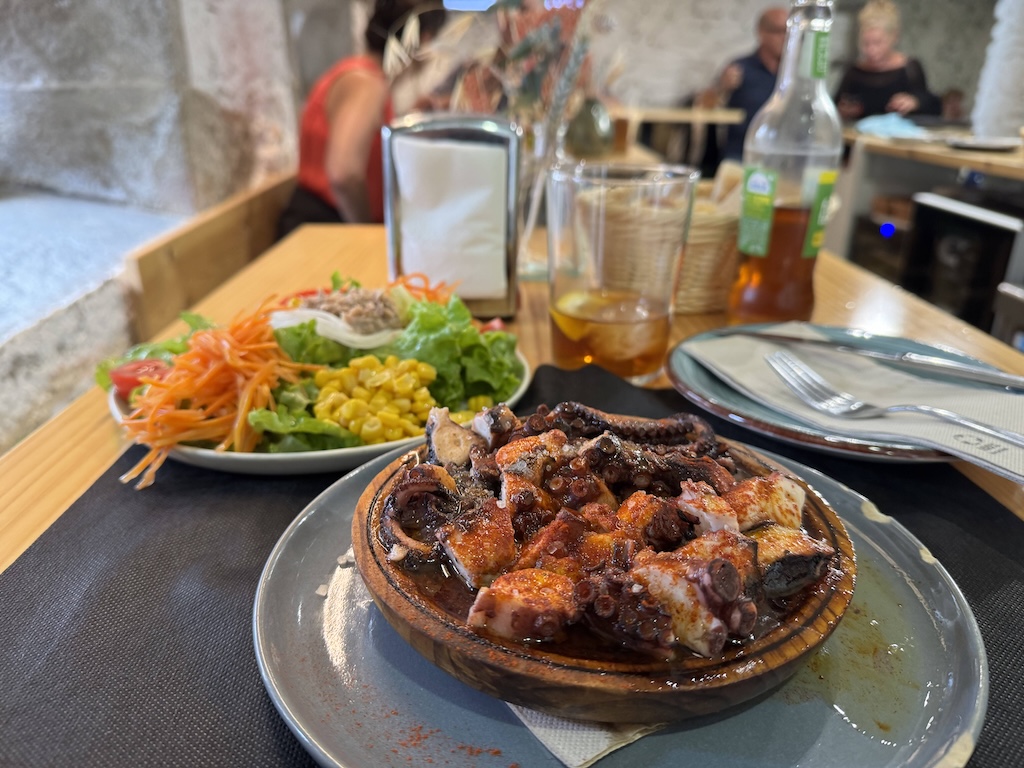
But regardless, this is a great trek, and I’m glad that I did it. The ambiance was quite nice – not just the landscape, food, or the medieval towns, but the “pilgrimage” and group aspects added quite a bit to the experience. It felt like somewhat more special than hiking the local trails at home.
More From Our Blog
Keep reading our travel blog for more adventures on the Camino de Santiago:


 Adventures of the 4 JLs