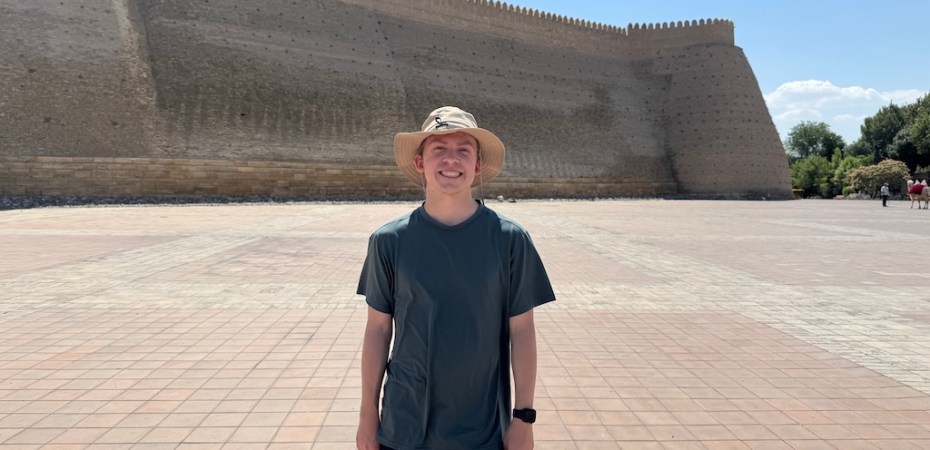
As part of our trip to the “5 Stans” in Central Asia in June and portion through Uzbekistan, we visited Bukhara. Like Samarkand, Bukhara has been continuously settled since ancient times (roughly 2500 years), and as part of the ancient Silk Road, had long been a major center of culture and trade.
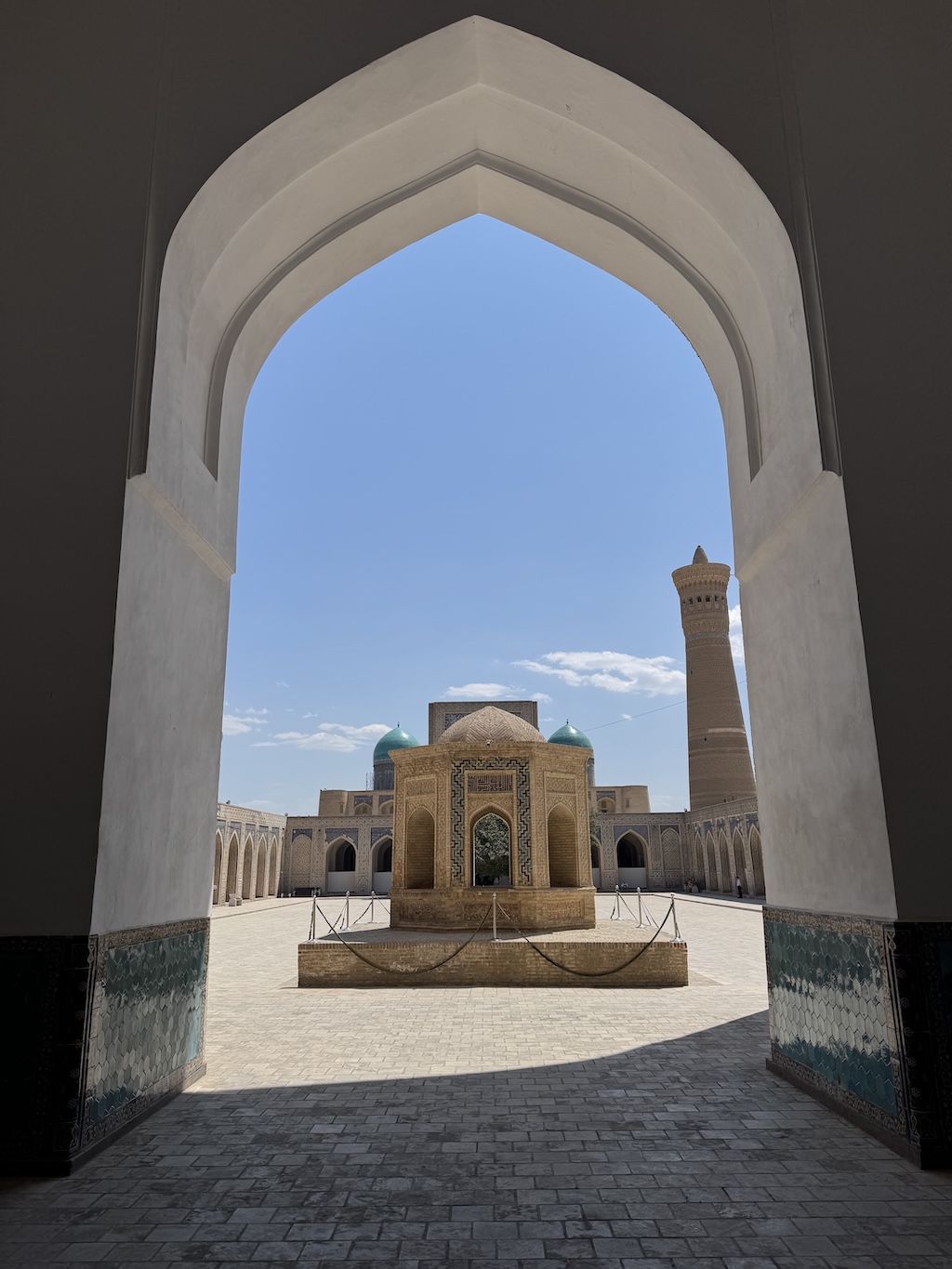
Bukhara is an iconic ancient city in Uzbekistan. But as an honest comment, compared with two Uzbek cities that we really enjoyed a lot – Samarkand and Khiva – we had a harder time during our day in Bukhara:
- Bukhara was hotter – both on the specific day that we visited, but also its usual climate. In April, it would have been great, but the day we visited mid-June was quite hot. I thought I was drinking enough water, but ended up with some amount of heat exhaustion.
- Bukhara’s architecture is interesting, but I personally enjoyed the more colorful architecture in Samarkand and Khiva – with all their blues – more than the more baked mud-brick feel of Bukhara.
Please take the above with plenty of caveats; Bukhara is definitely worth seeing if you are in Uzbekistan. But because of the above, it’s trickier for us to give a full picture of Bukhara.
Logistically, we had a guide for this day trip, and effectively spent the day in the Old City, which was fairly compact to navigate on foot.
Mausoleums
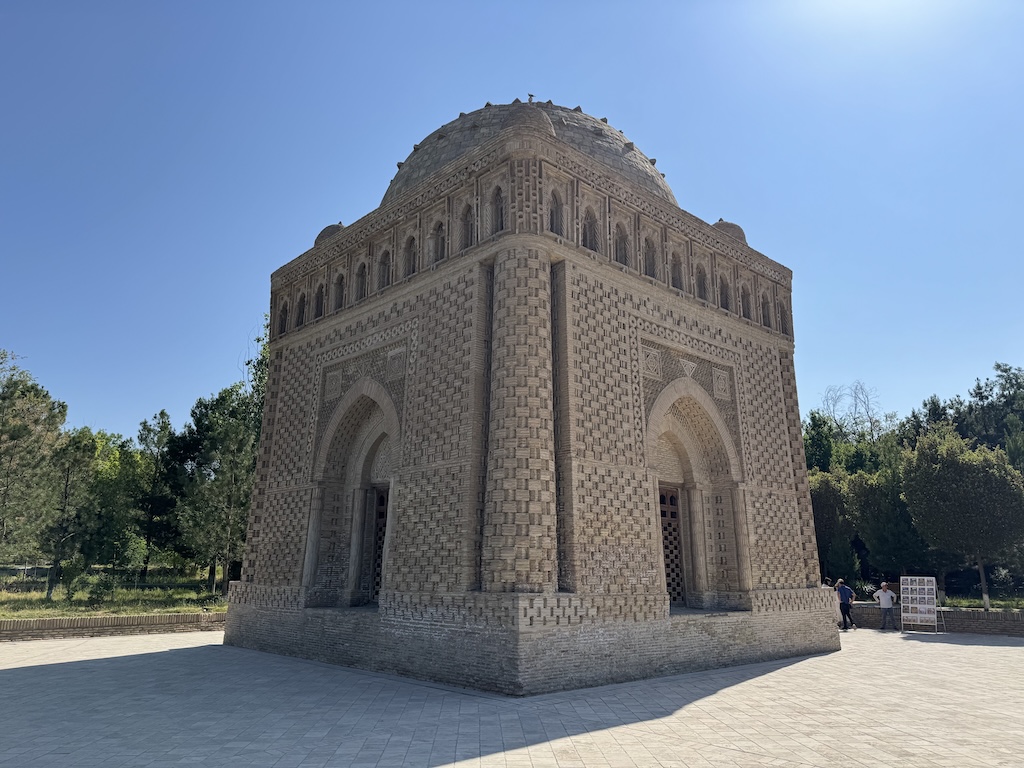
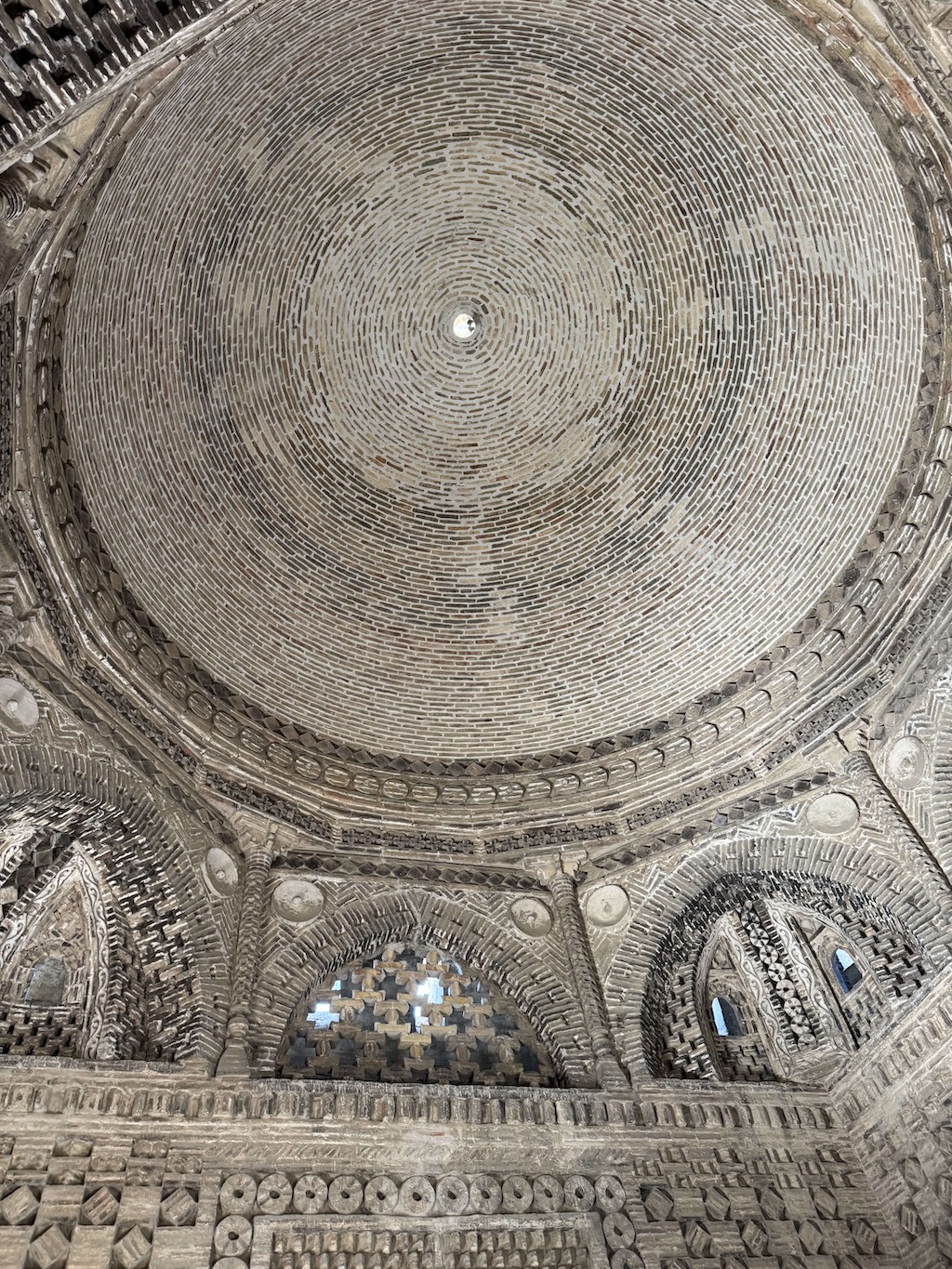
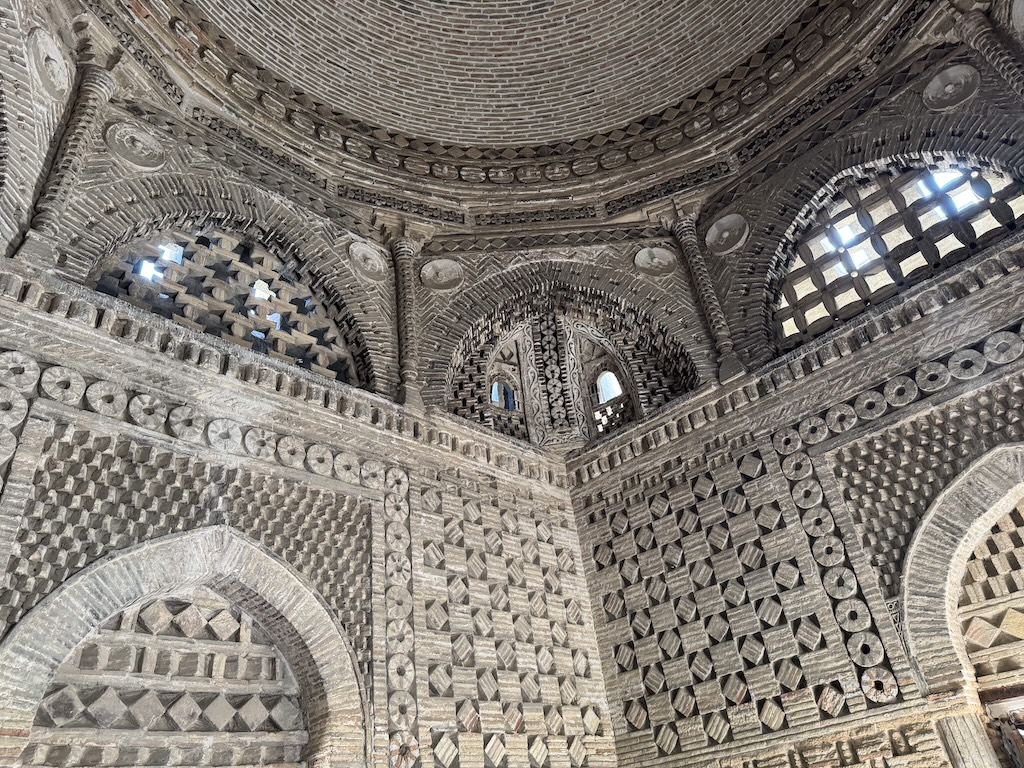
We started our day at the Samanid Mausoleum, built in the 10th century, and the oldest known burial building in Central Asia. With its symmetry and geometry, it’s considered an iconic example of early Islamic architecture.
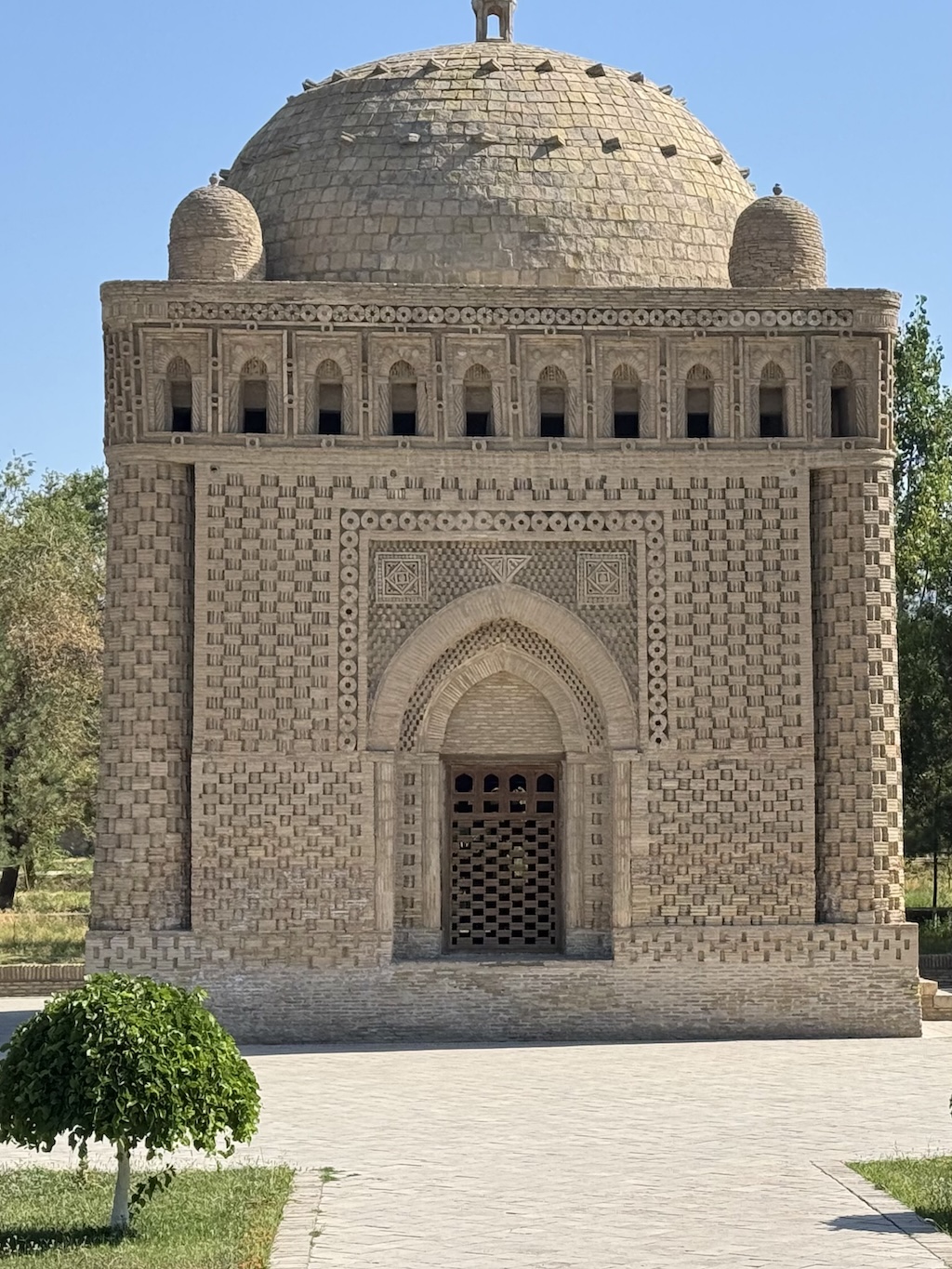
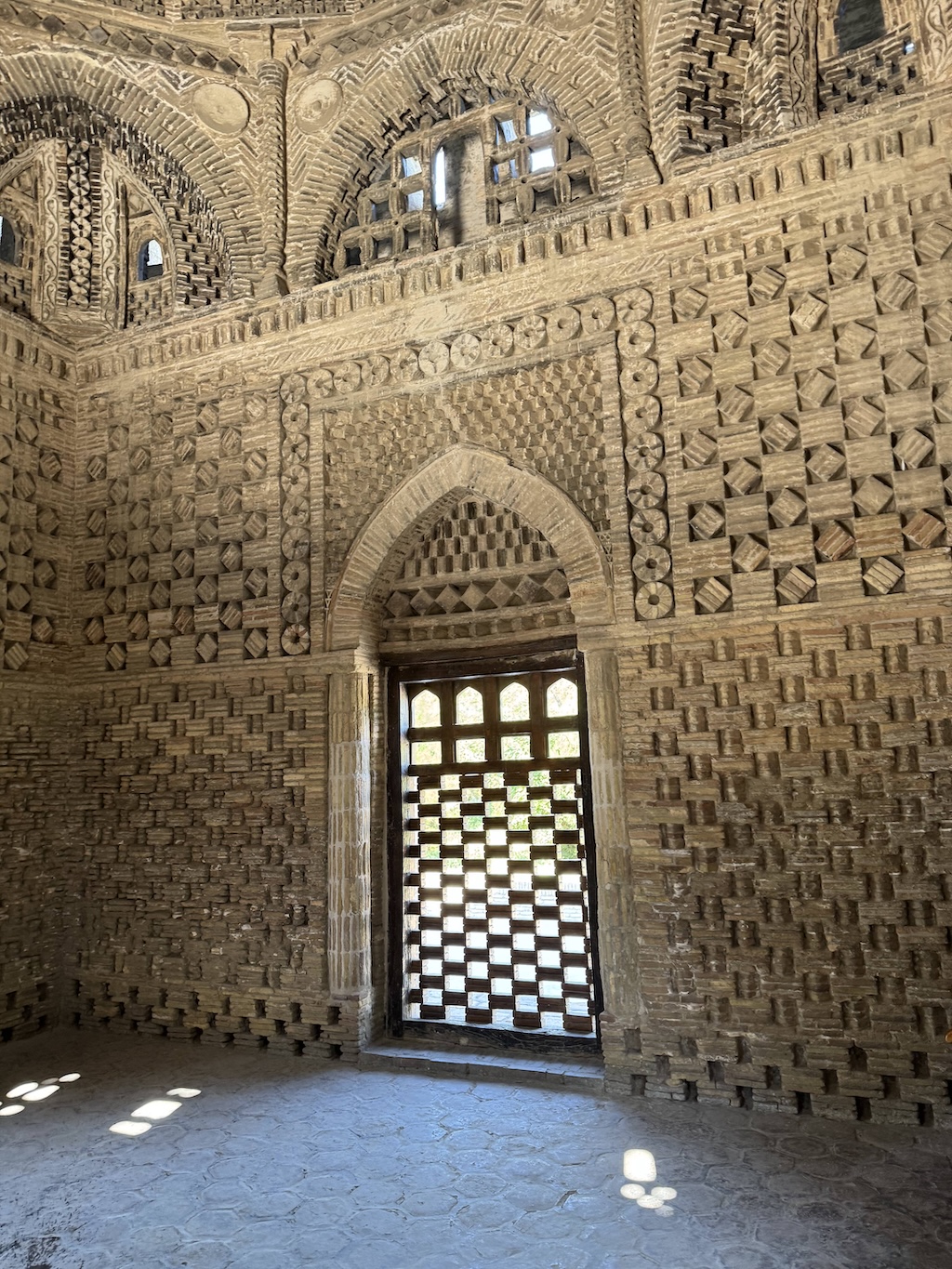
After that point, we went the neighboring Chashma-Ayub Mausoleum. The legend there is that the water well was made by the Biblical Job (who is also mentioned in the Koran) by striking the ground with his staff. Pilgrims sometimes come to drink the water.
Bolo Haouz Mosque
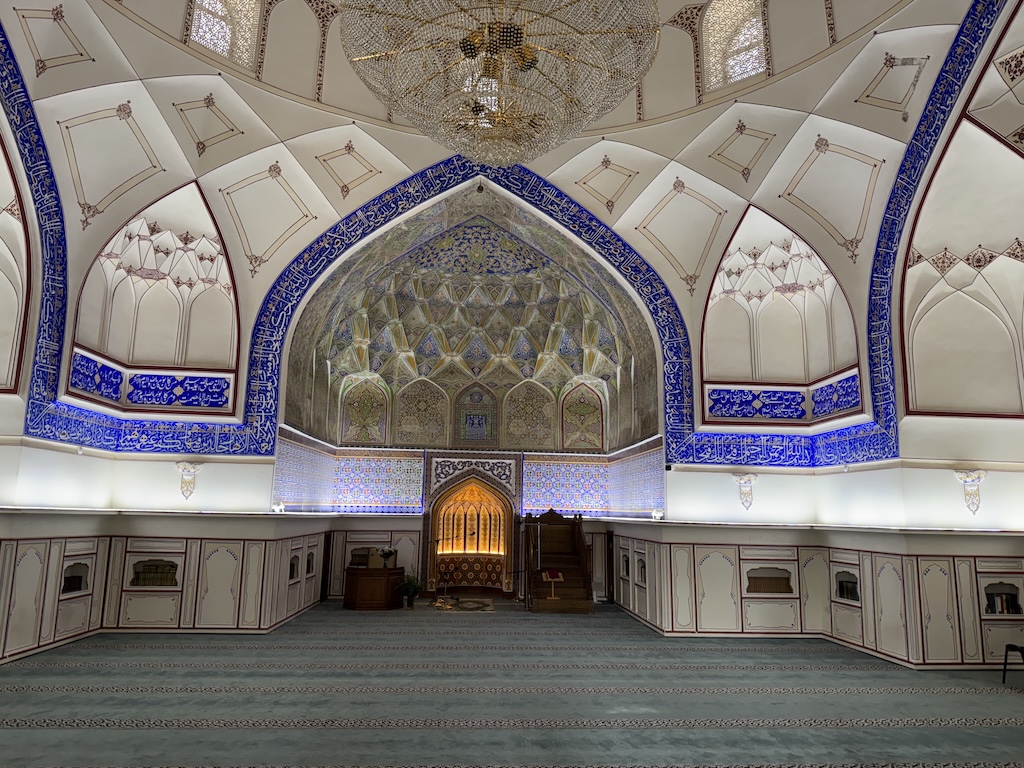
After that point, we walked a bit further, and came to the Bolo Haouz Mosque, built in the 18th century. It had been the city’s Friday mosque for the city before the Soviets took over in the 1920’s. It’s right across the street from the Ark Fortress, the main fortress of the city.
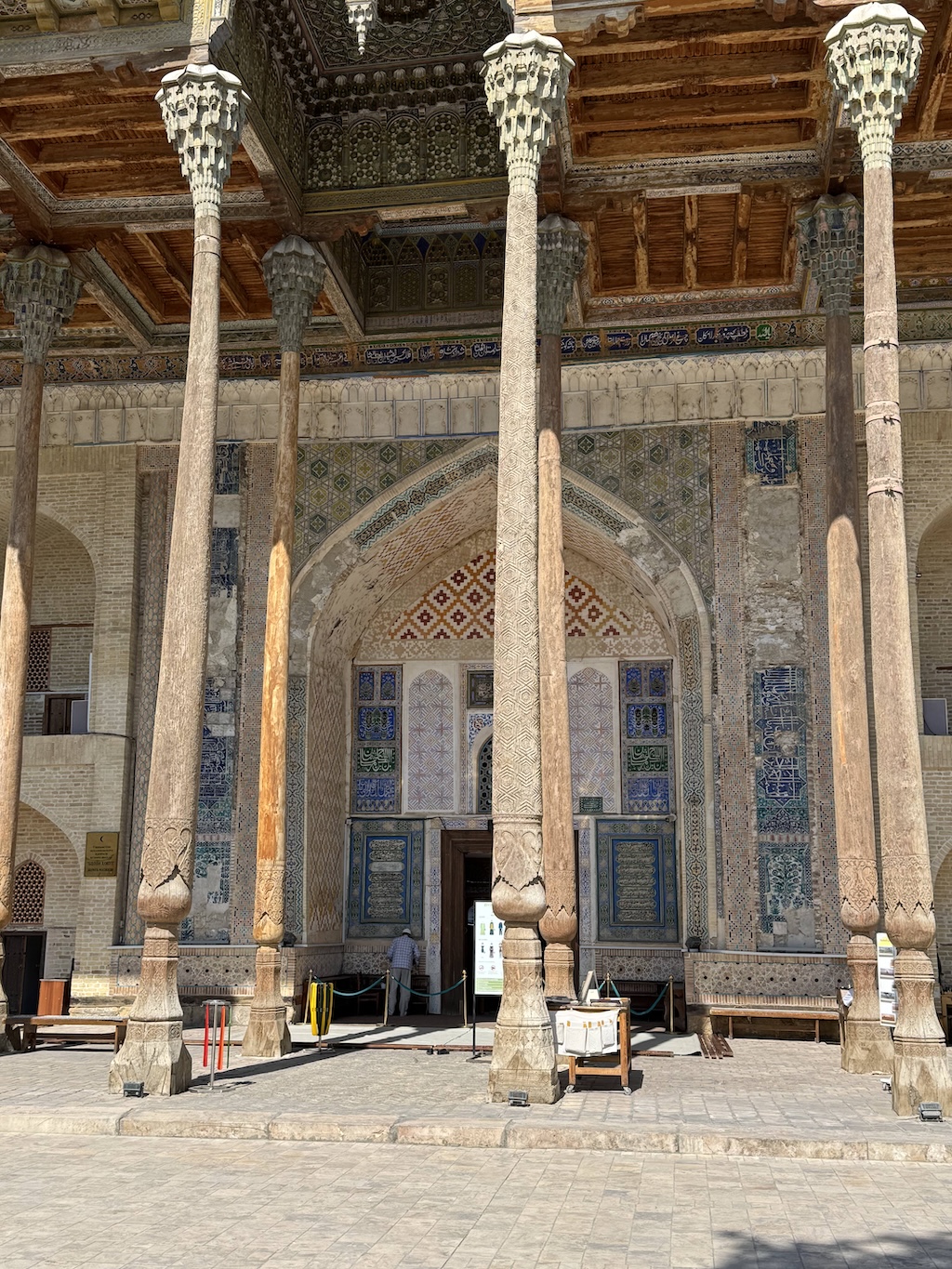
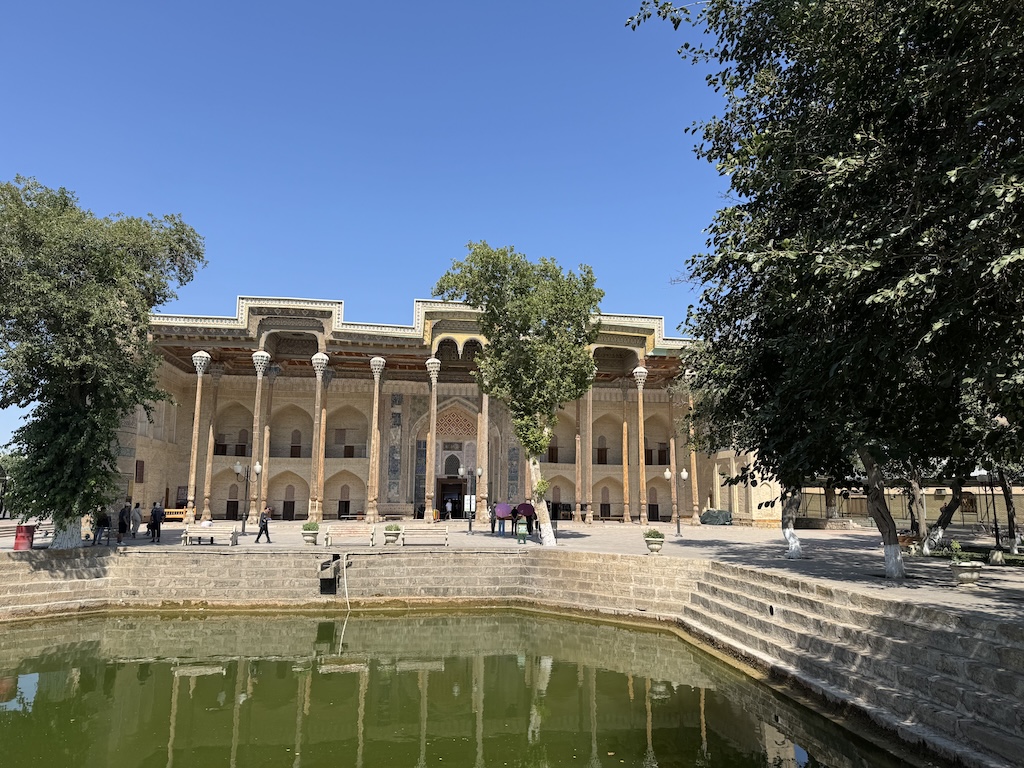
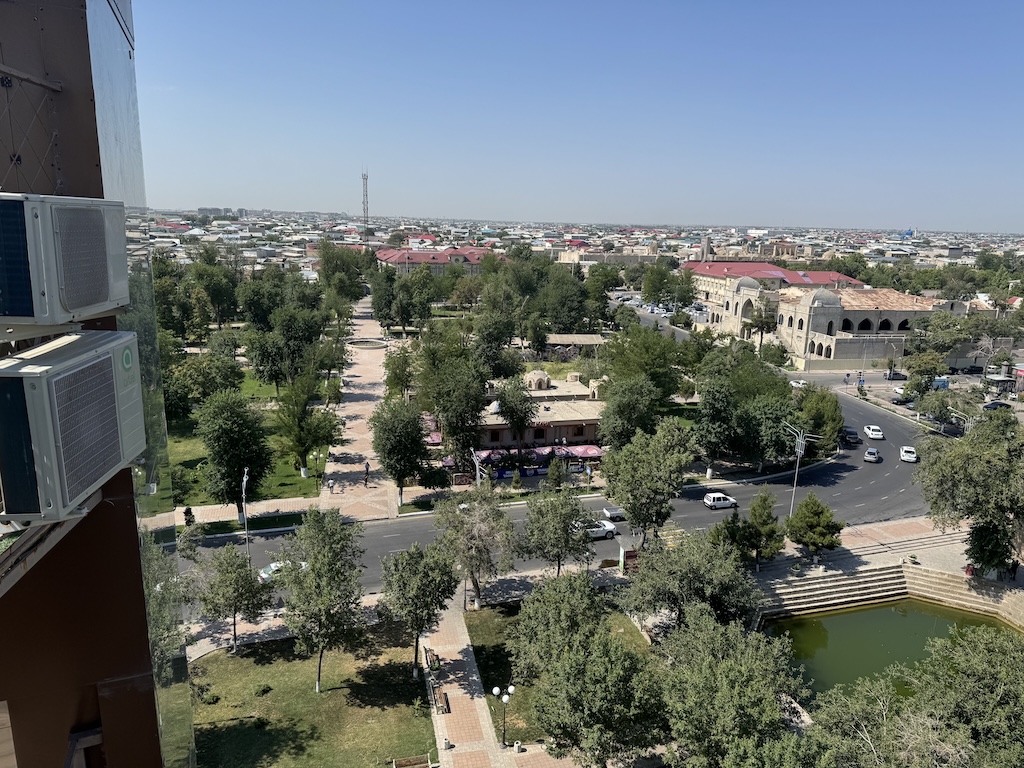
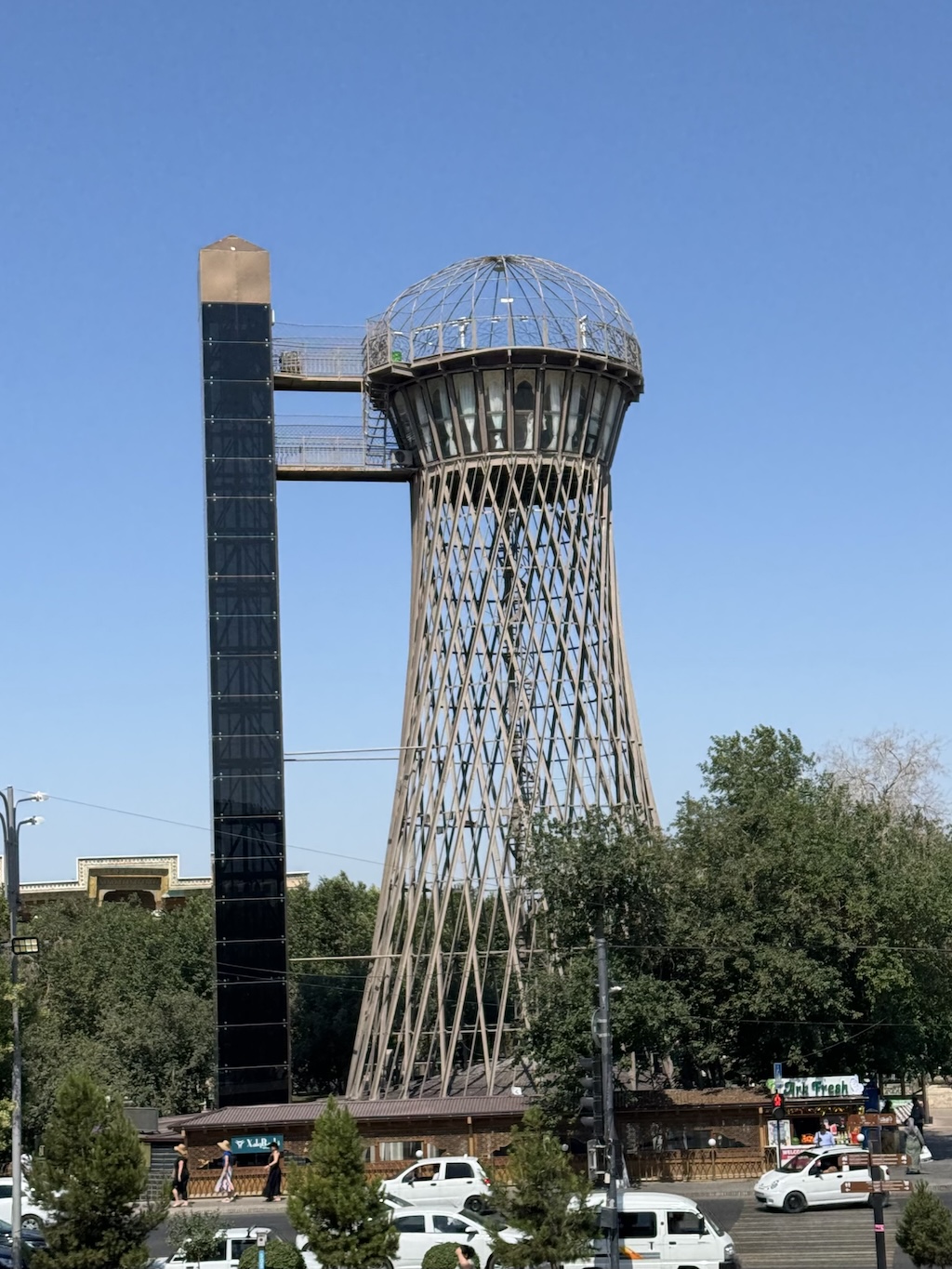
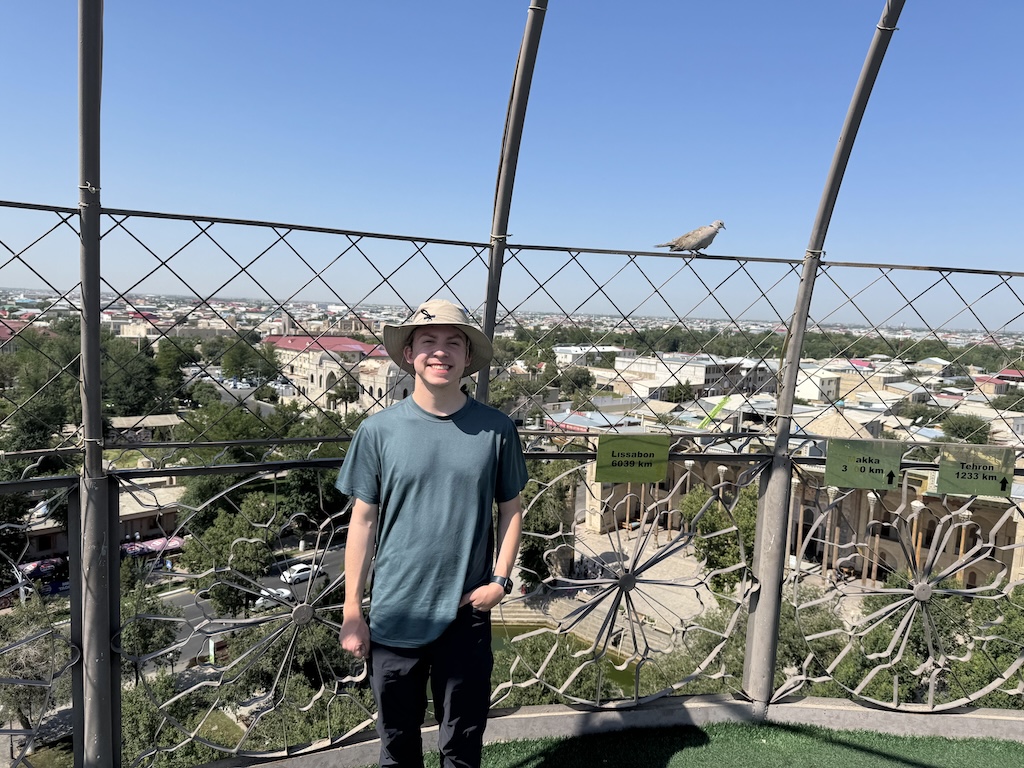
But before we went to the fortress, we saw a large structure right next to the mosque, which was formerly a water tower. In recent years, it’s been converted to a tourist attraction where you can pay to take the elevator to the top. James was interested in doing so, and we did enjoy the panoramic view of the city.
Ark Fortress
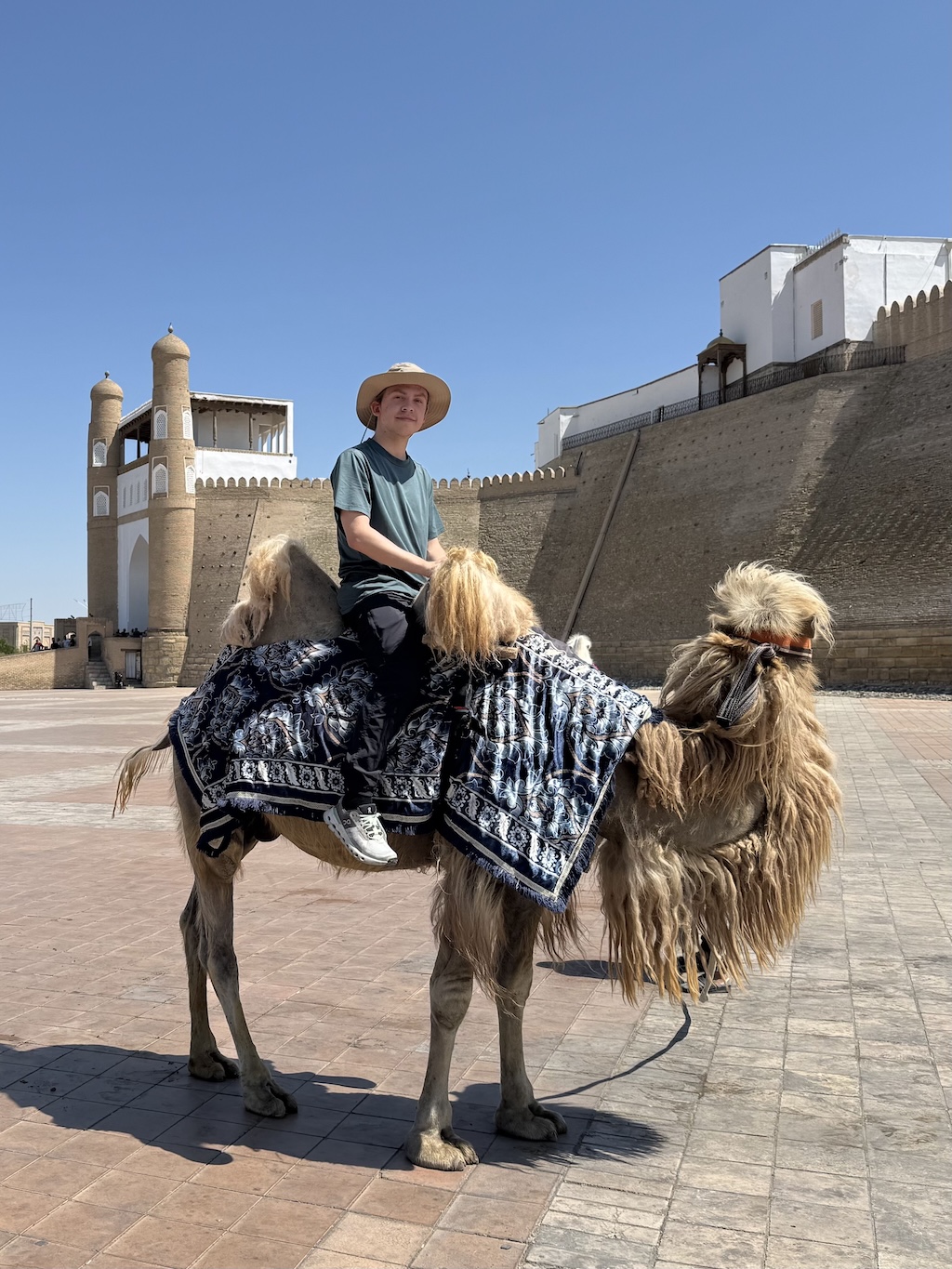
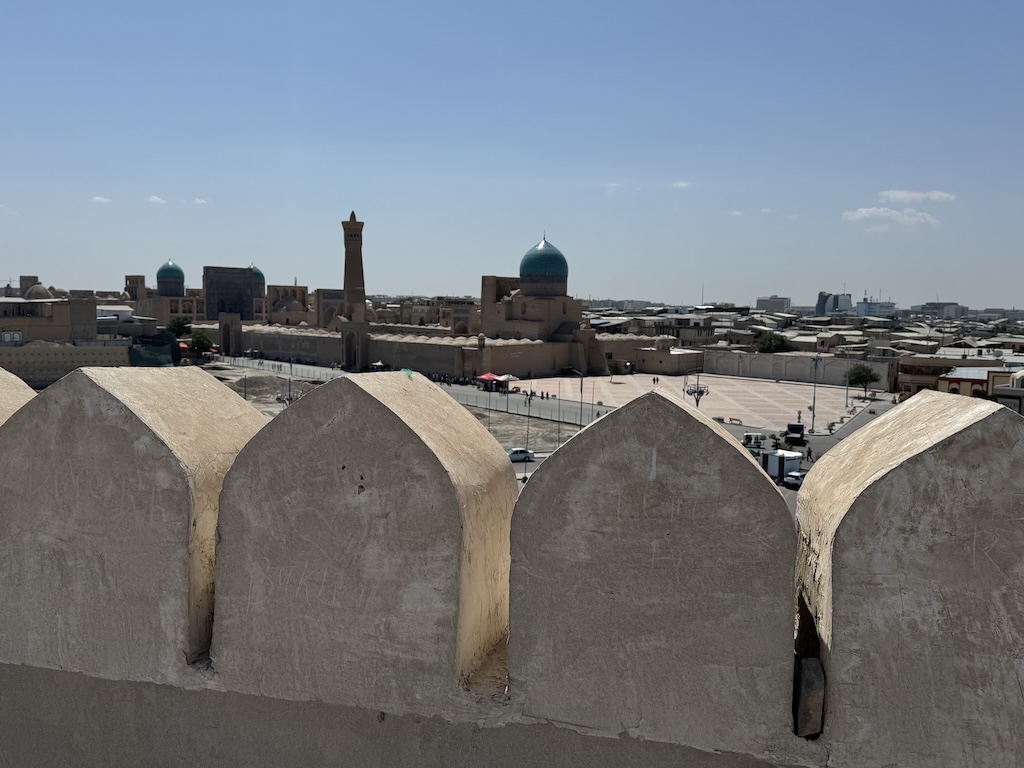
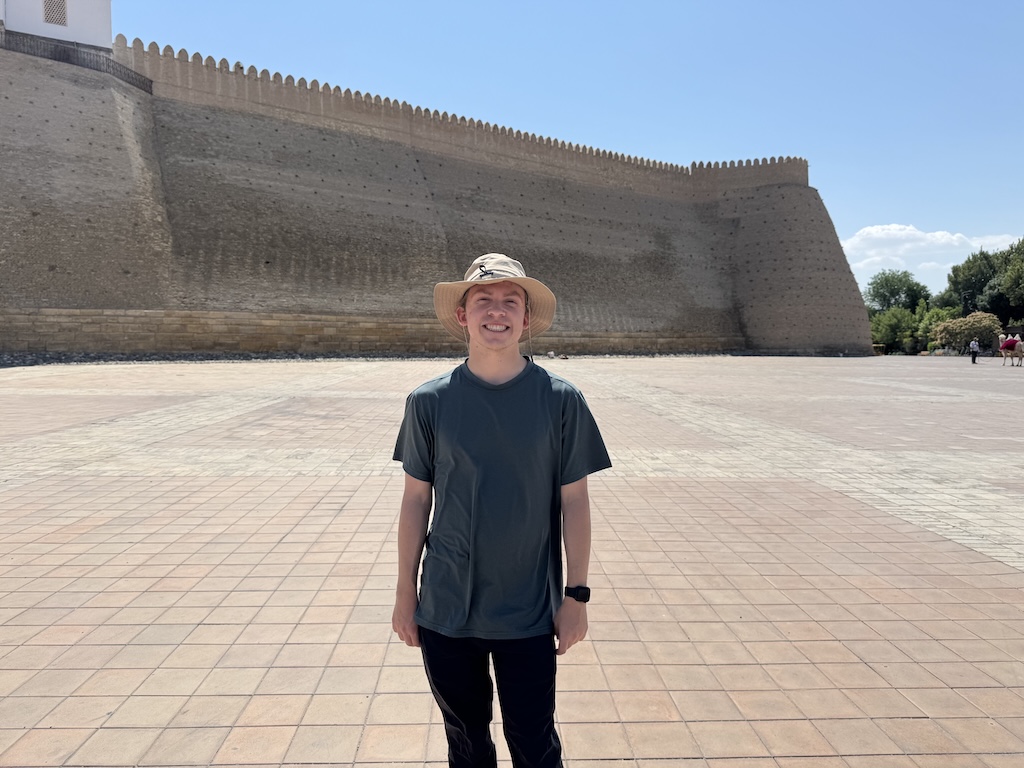
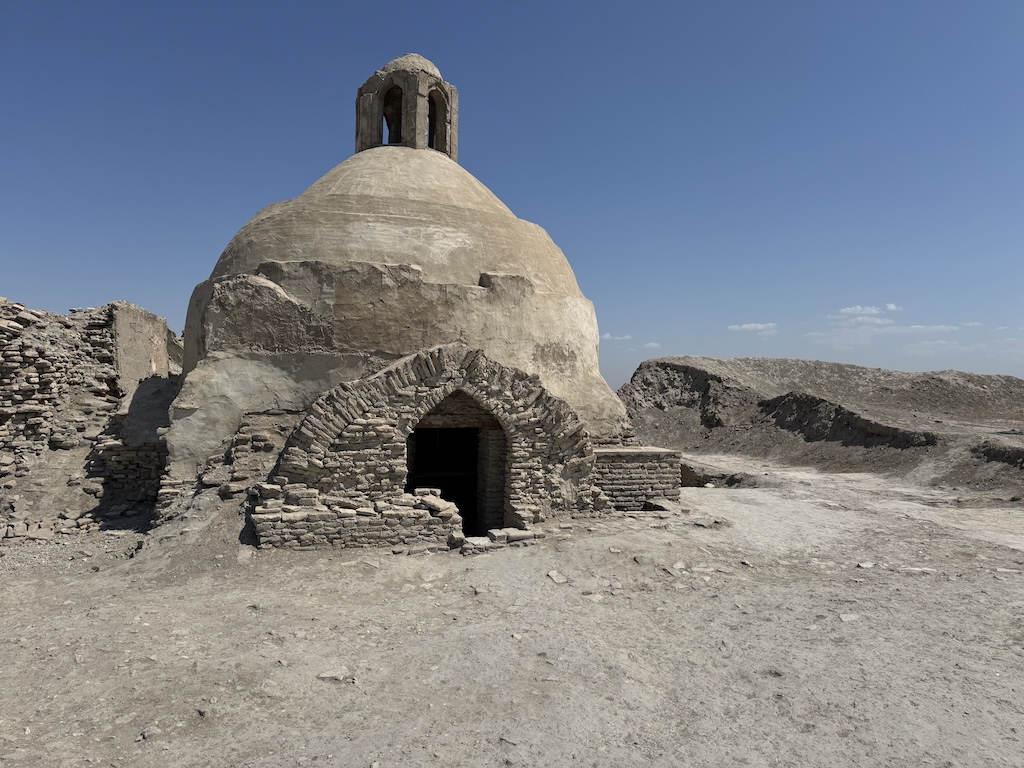
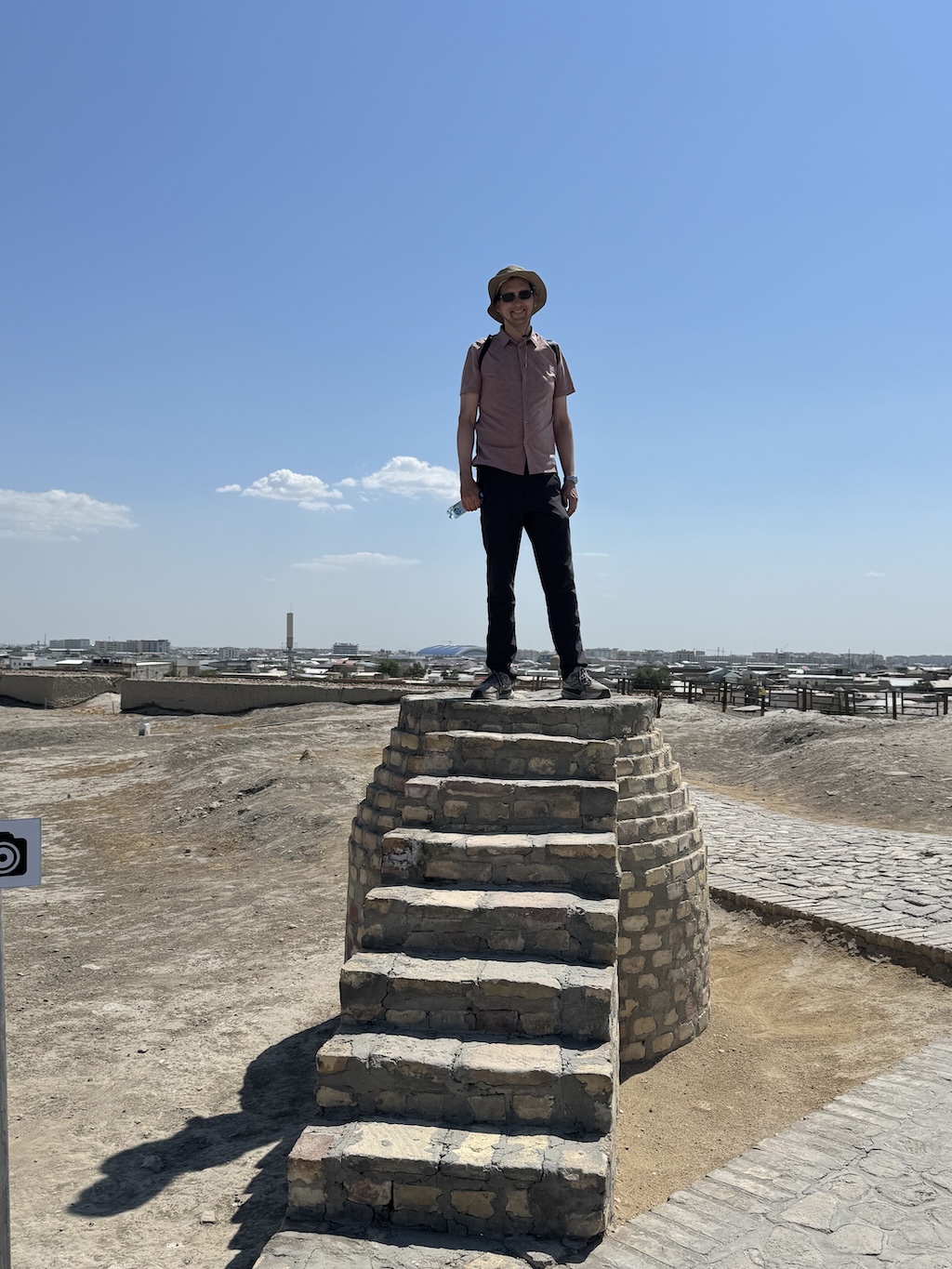
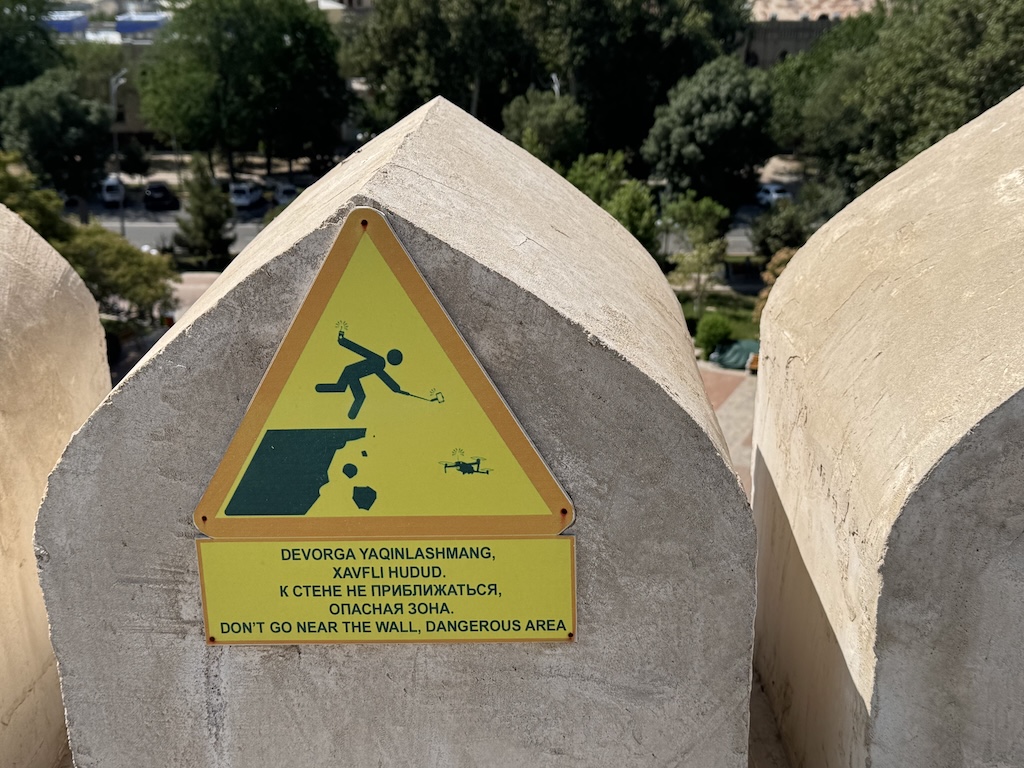
From there, we walked across the street to the Ark Fortress, which was originally built in the 5th century. It was typically inhabited by Bukhara’s rulers, at least until the Soviets took over in the 1920’s. Surrounded by some impressive walls, it also has a great view of some of the rest of the Old City. There were some small museums and shops to wander as well.
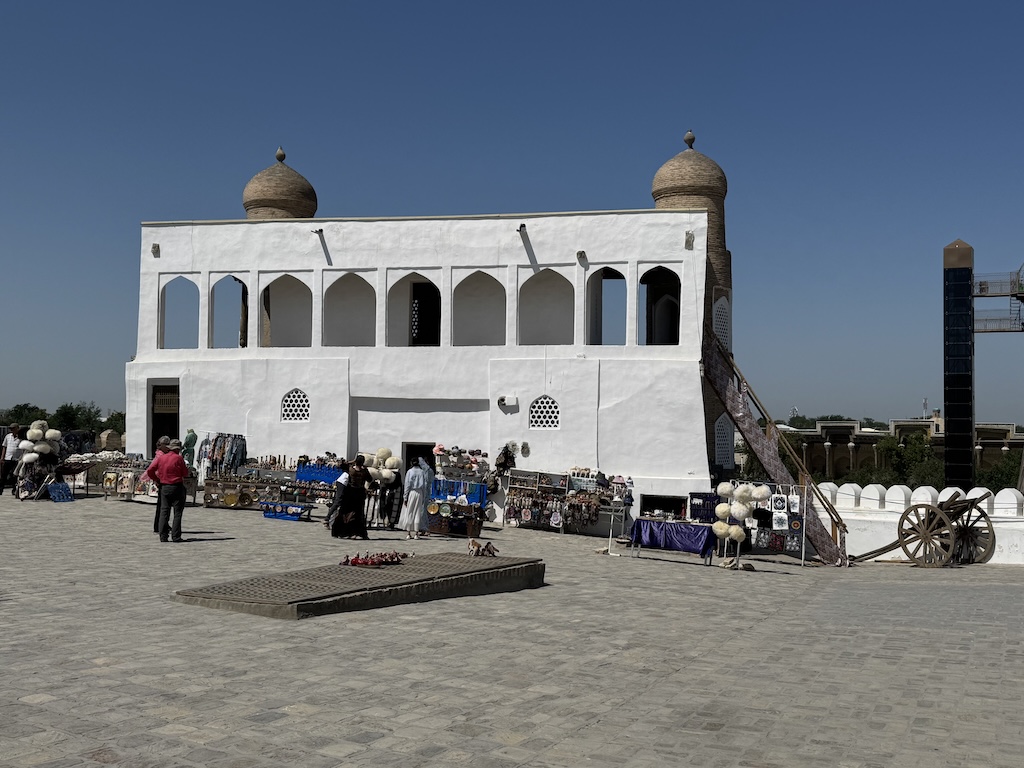
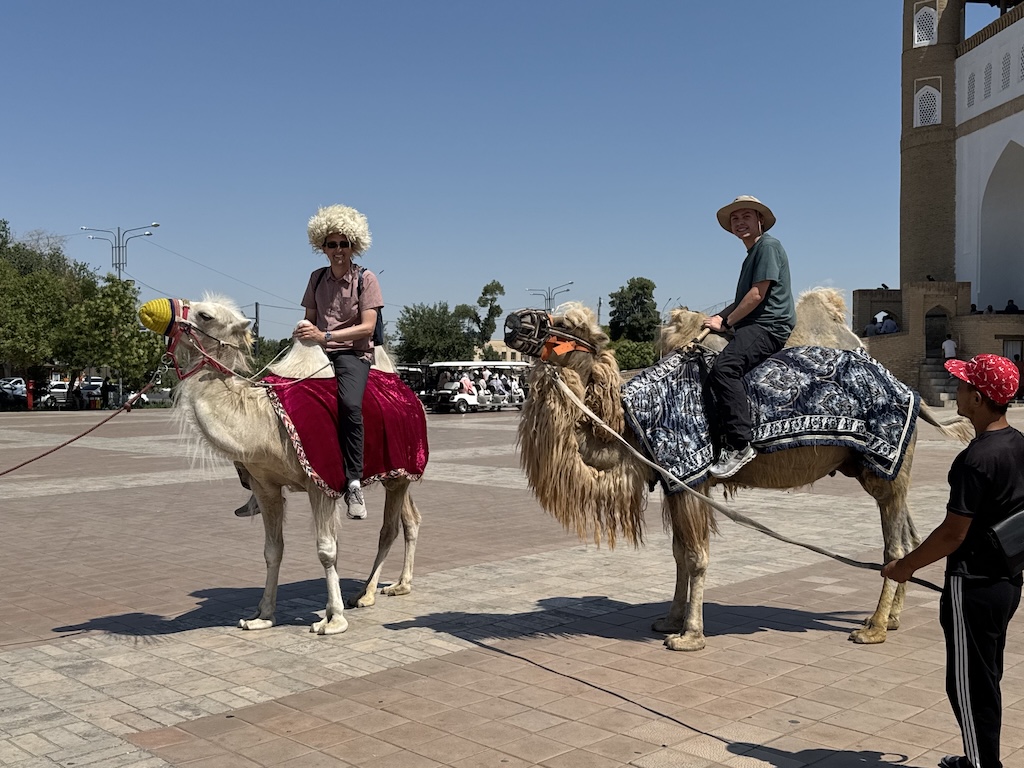
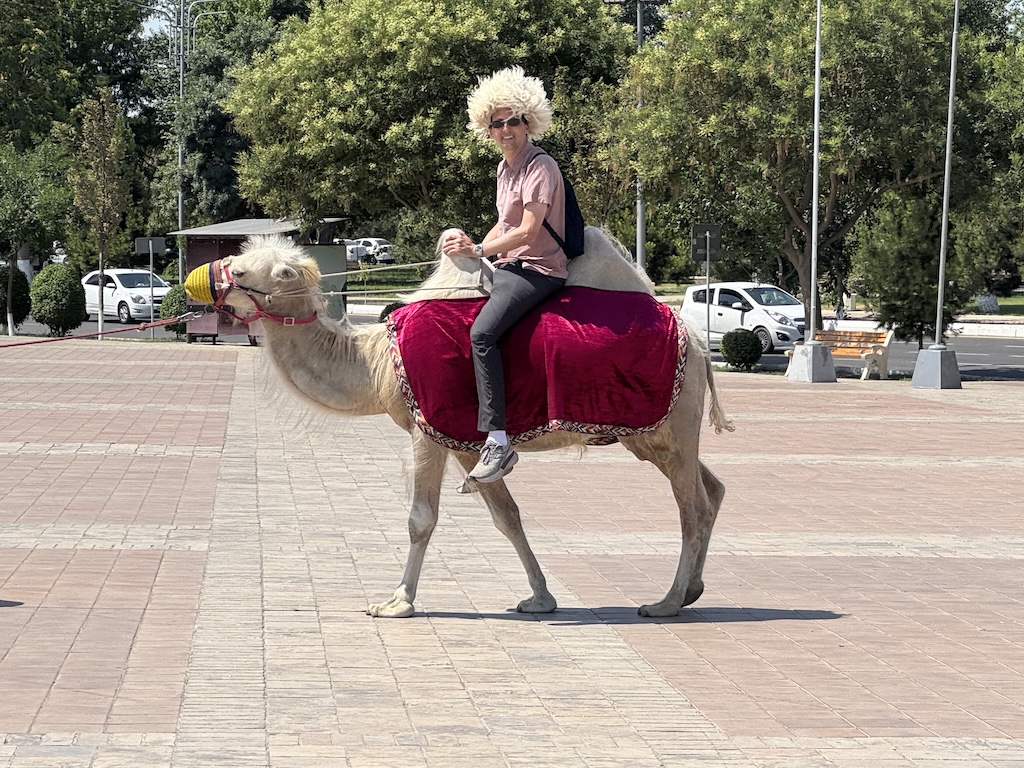
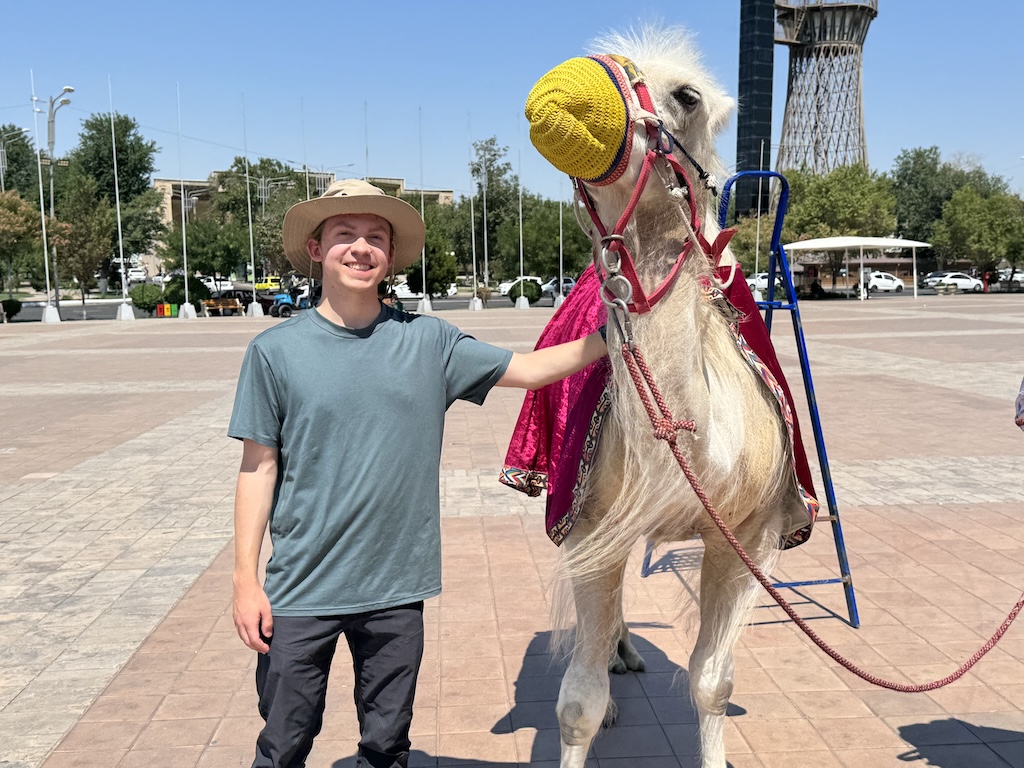
One thing we did after seeing the fortress was taking a camel ride in the area immediately outside. Yes, it was kitsch, but it was fun! (And a very memorable use of about $5 in local currency).
Old City
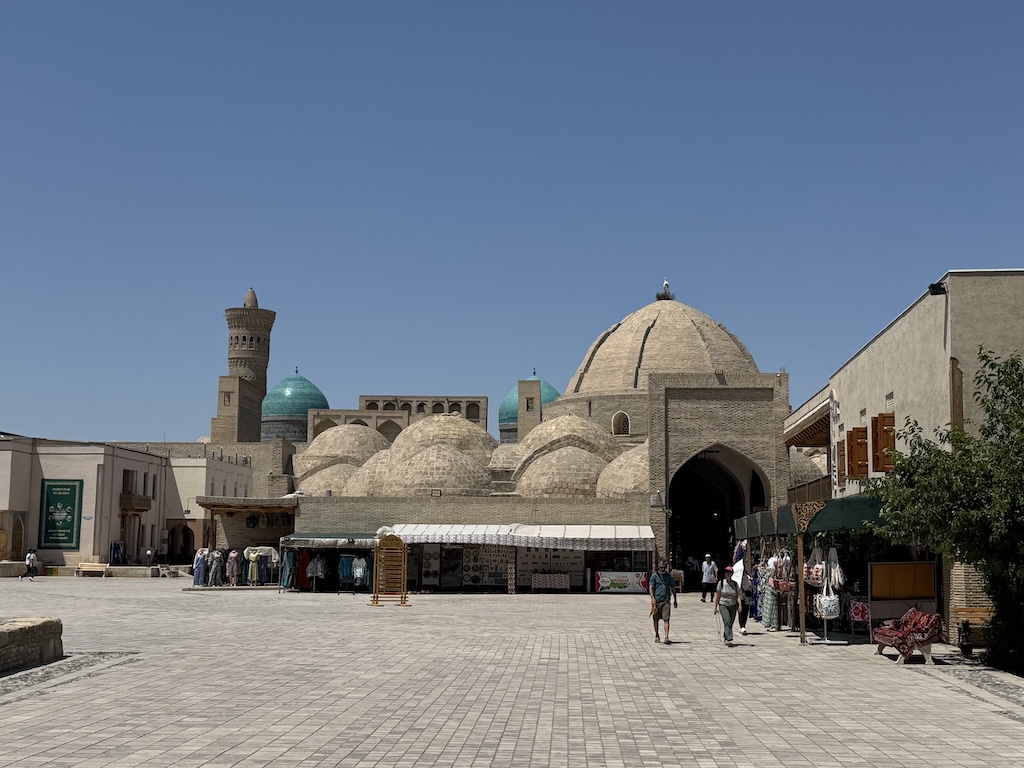
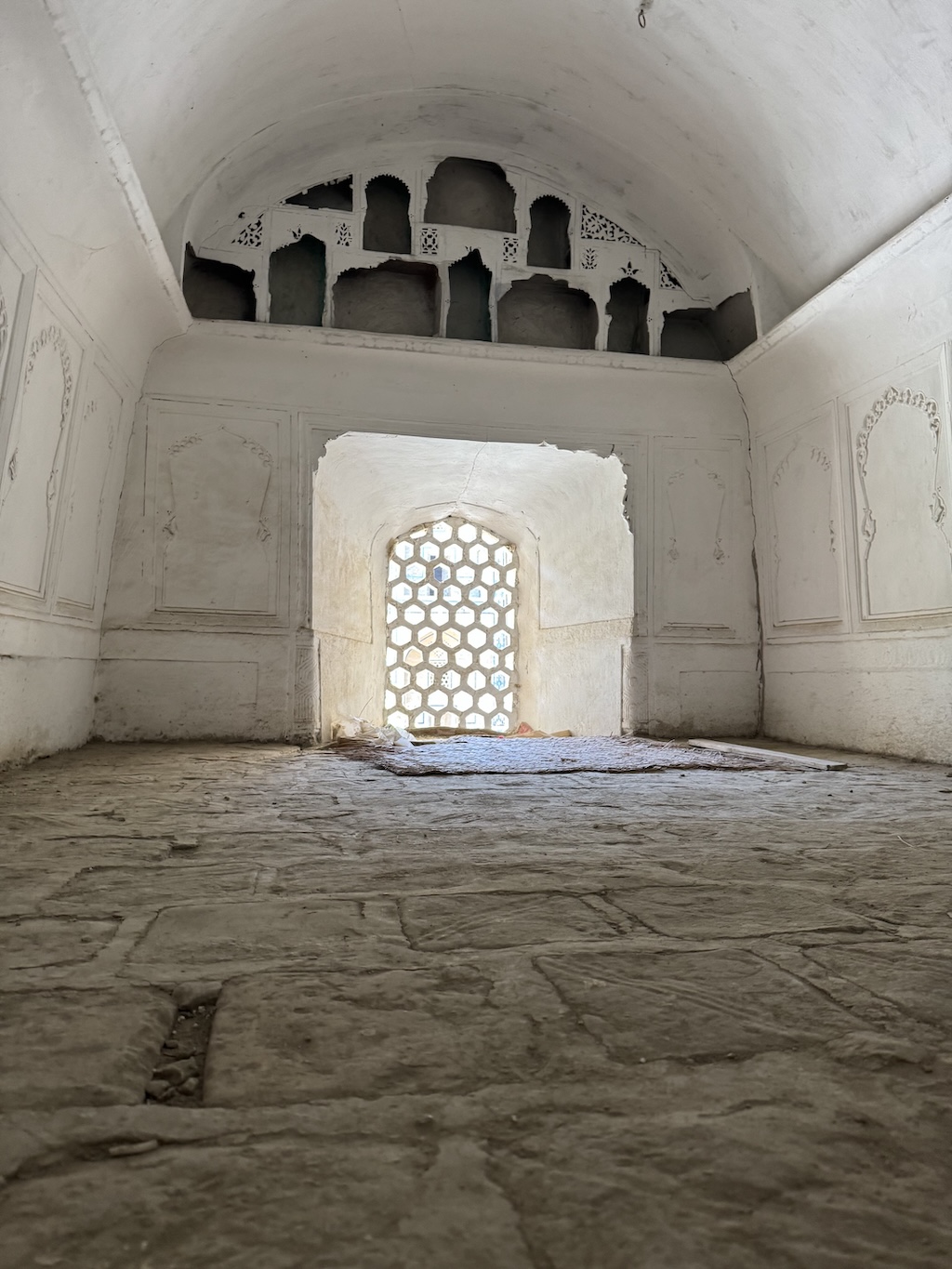
At that point, we walked over to the area by the neighboring Kalyan Mosque, and the madrassa areas next to it. It was originally built in the 12th century, though somewhat expanded in the 16th century. At this point, I can recall the temperature outside climbing, but fortunately a lot of shade in the different covered sides of the buildings.
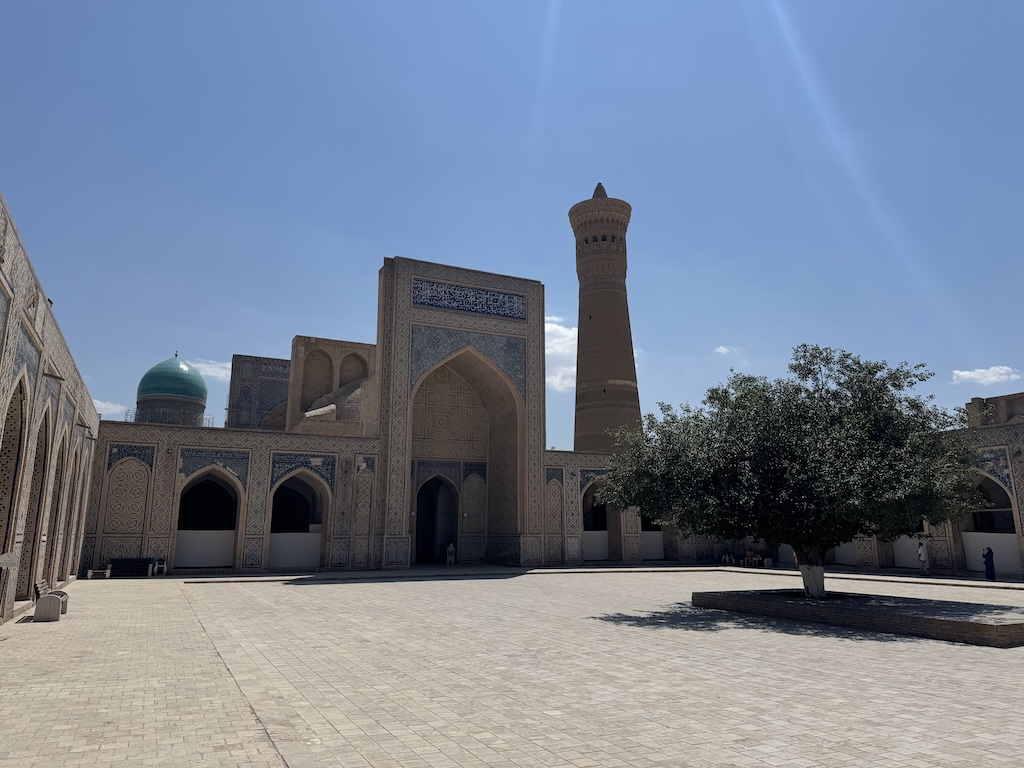
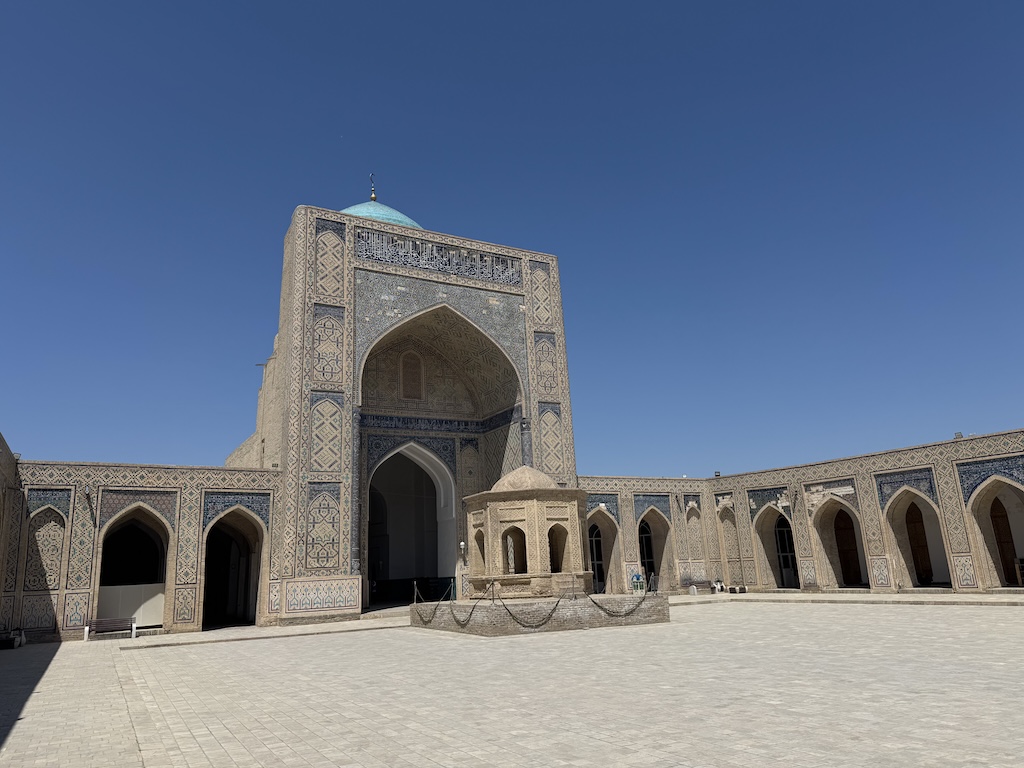
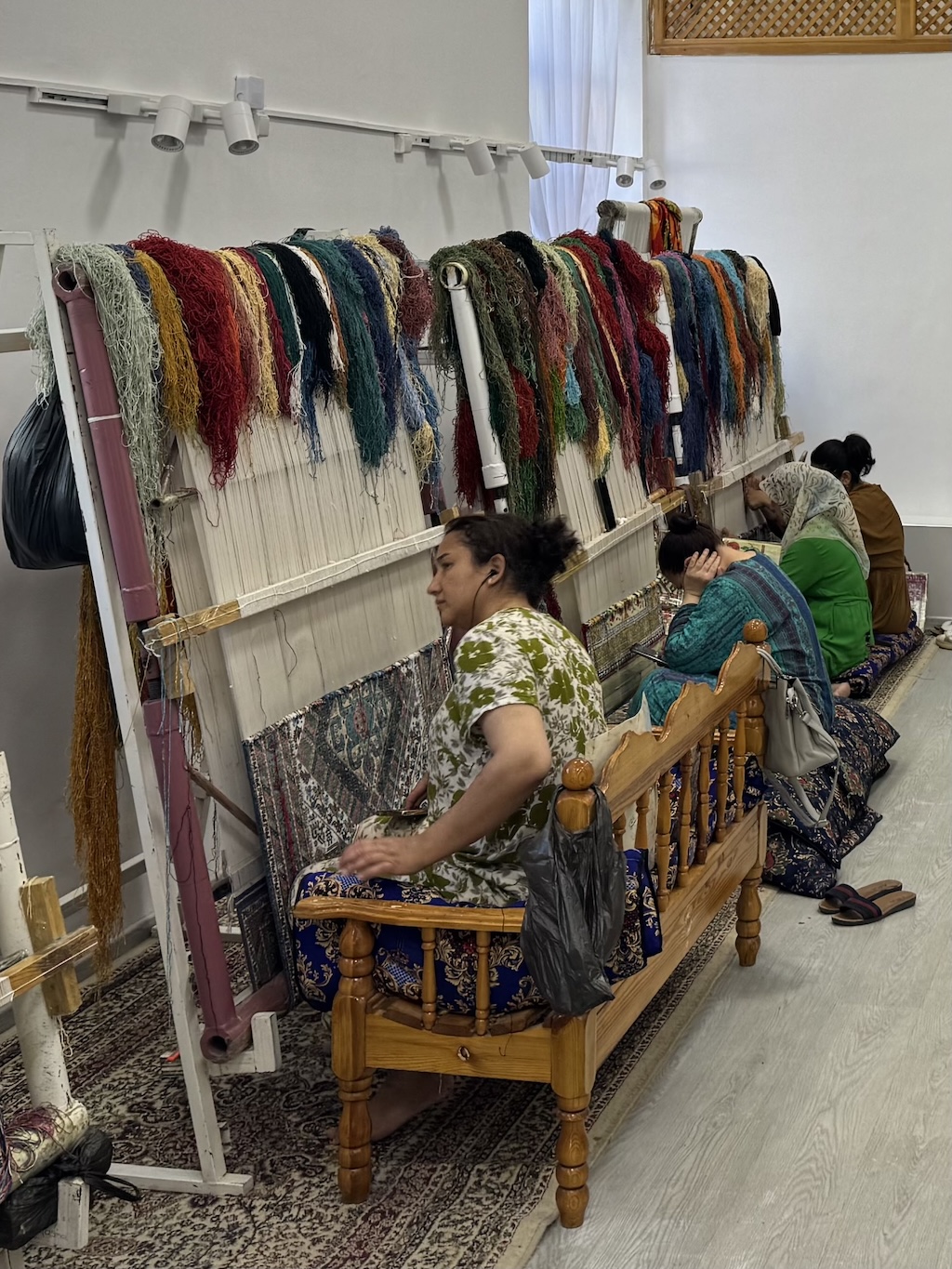
From there, we went to the neighboring bazaar area. One place was a (delightfully air conditioned) carpet shop where they made carpets on-site by hand. One thing that’s different from ages ago – the carpet weavers were listening to music or watching videos on their phones while weaving. After that shop, we saw other shops for things like knives or tea.
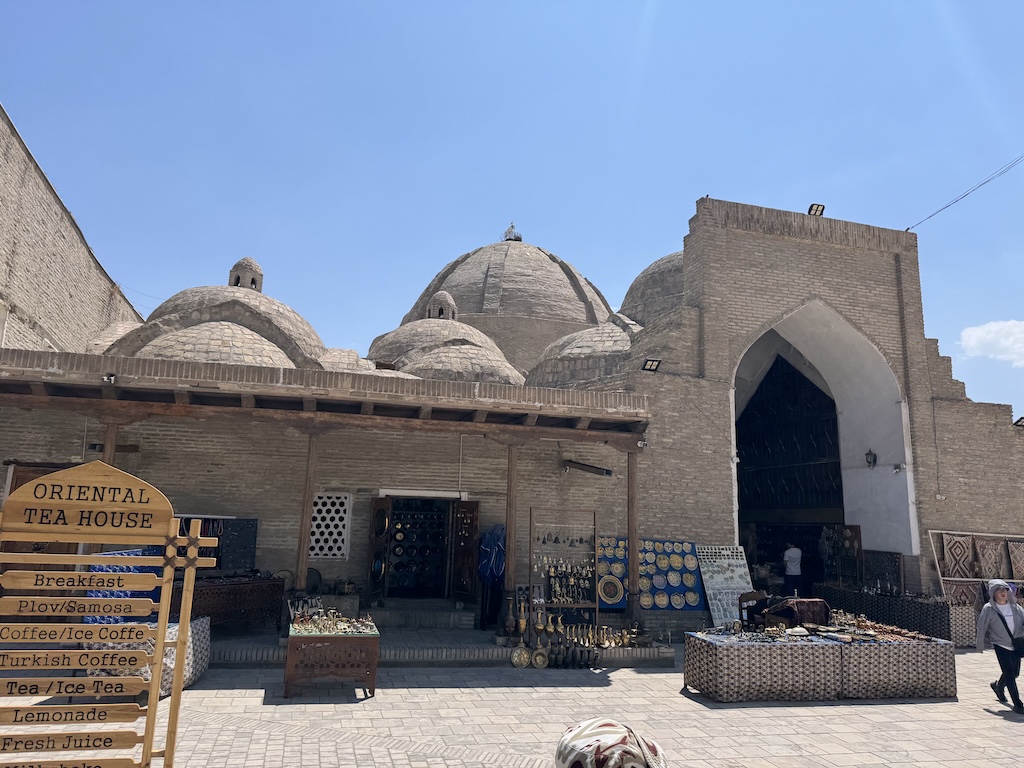
We continued through the bazaar area, and saw some other madrassa buildings.
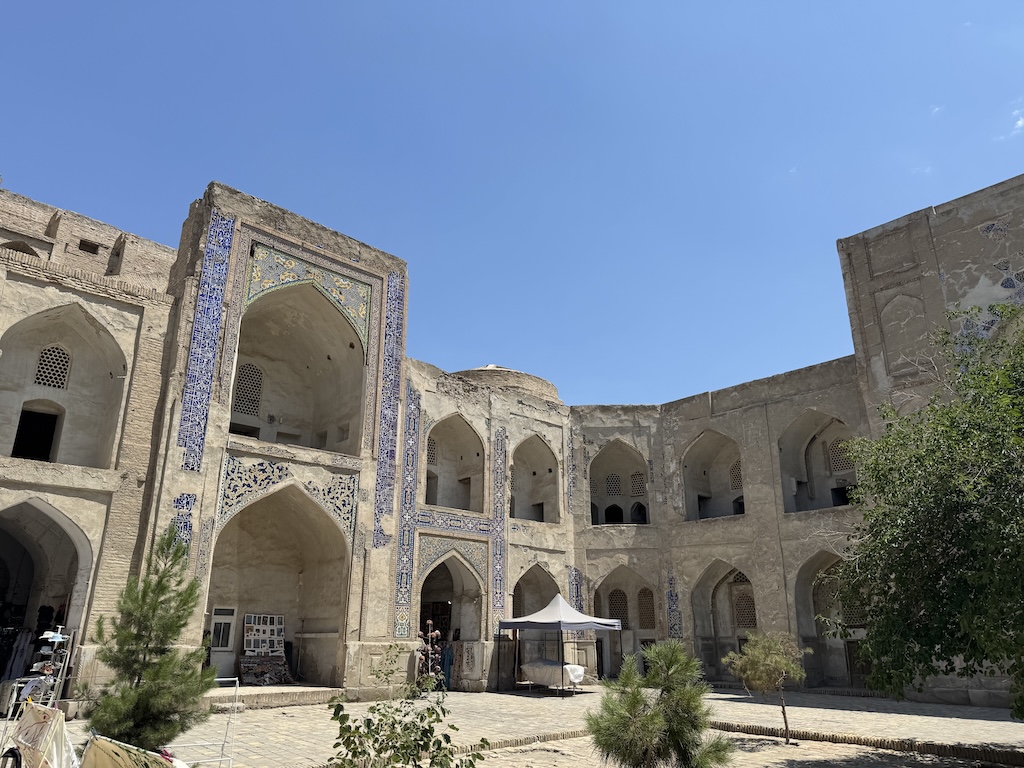
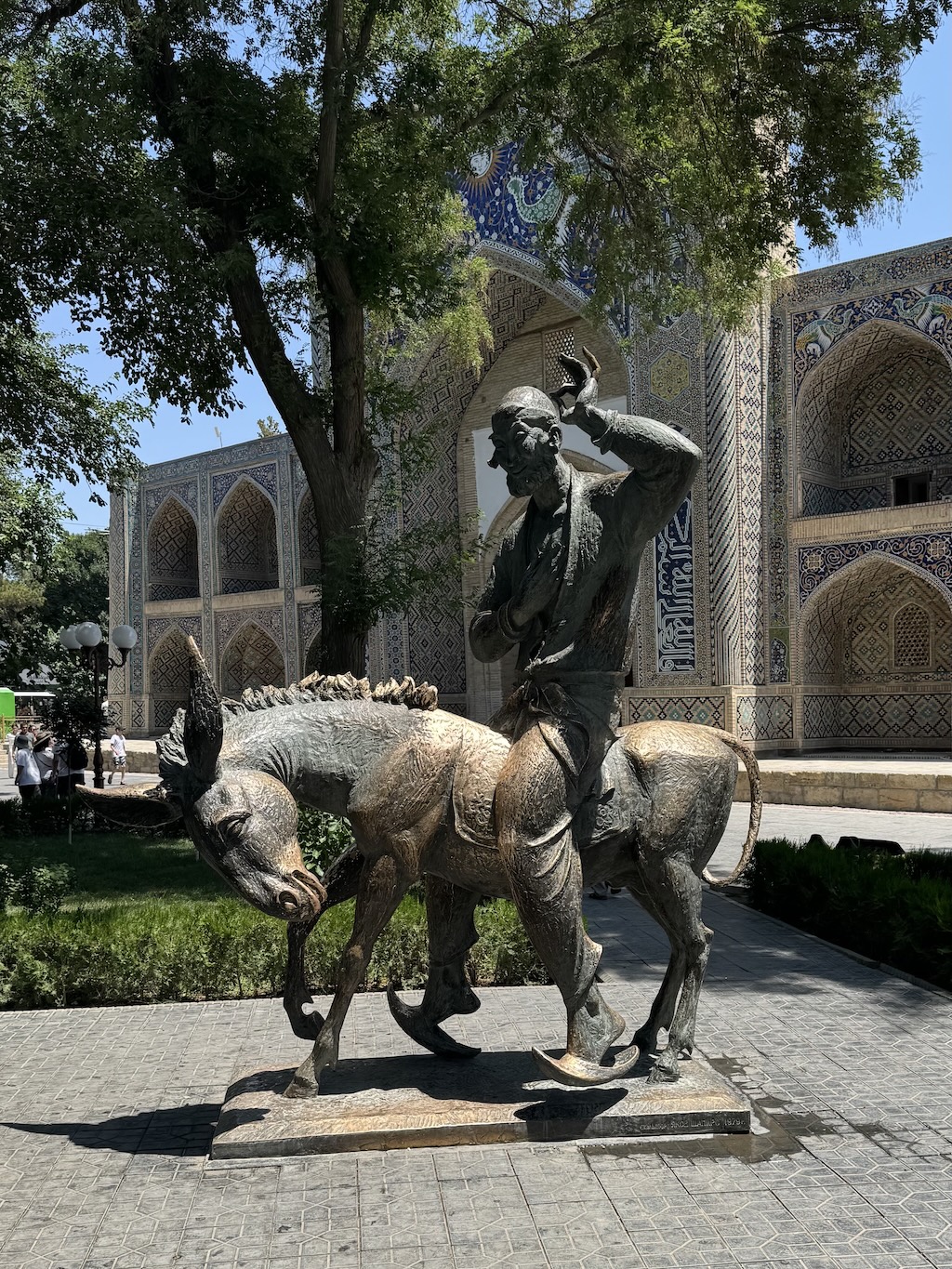
By the end, we made it to the Lyabi Hauz area, with its water pool. One statue we were pointed to was the one of Nasreddin (on the donkey below), who is a folk character in the Muslim world. The Uzbek consider him one of their own, from Bukhara.
According to one story our guide told, Nasreddin told the king that for a large sum of money, he could teach his donkey to speak. His wife was super concerned he would be imprisoned, but he told his wife that he was given 20 years for the task, and in that time, he expected either the donkey or the king to be gone.
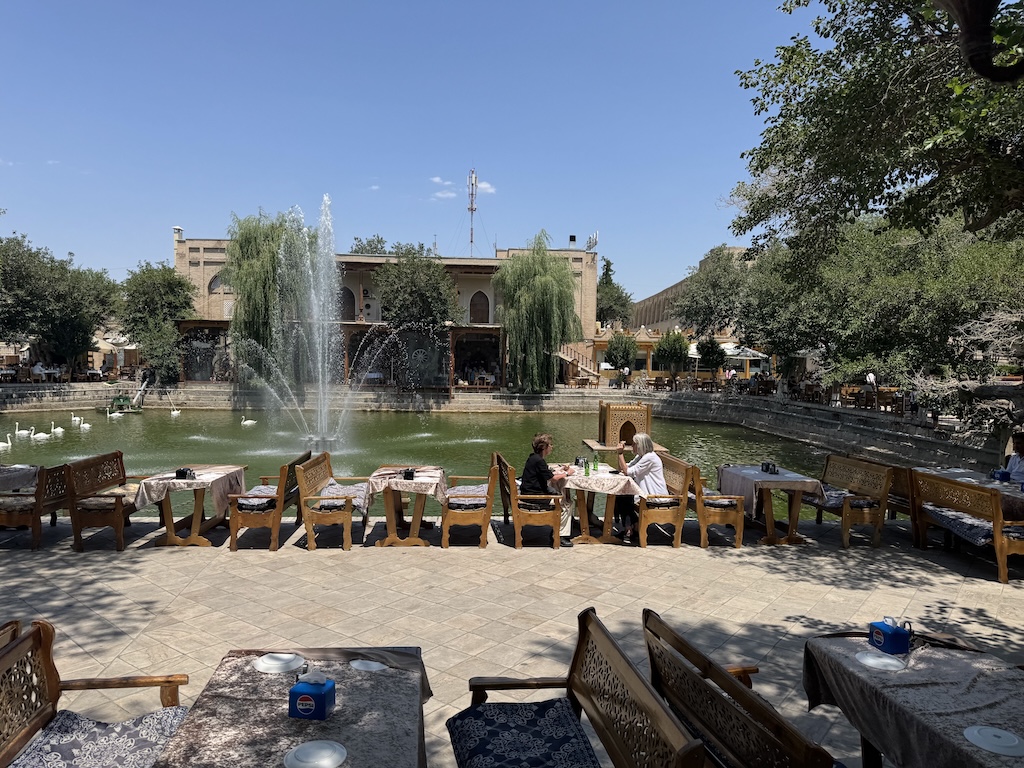
At that point, we had seen the highlights of the Old City, and our guided tour had come to an end. Our guide recommended a few restaurants for lunch one of which we went to, though it was close to 2pm. With the heat, it would have been better if we’d taken a break earlier.
After lunch, we ended up going to a small Jewish museum nearby; apparently, the Bukhara Jews (who mostly left after Soviet times) had been one of the oldest significant Jewish diaspora groups, dating back to the Babylonian Exile 2600 year ago.
When we got back to the hotel, I realized that despite my efforts, I had not had sufficient water for the heat. Between that, and our 1am arrival the night before, I ended up crashing in bed a little after 3pm, and not really getting up until the next morning. Sometimes travel, particularly when it’s not slow travel, can be like that. Though we enjoyed seeing what we saw. We started our Turkmenistan segment the next morning.
More From Our Blog
Keep reading our travel blog for more adventures in Central Asia:



 Adventures of the 4 JLs