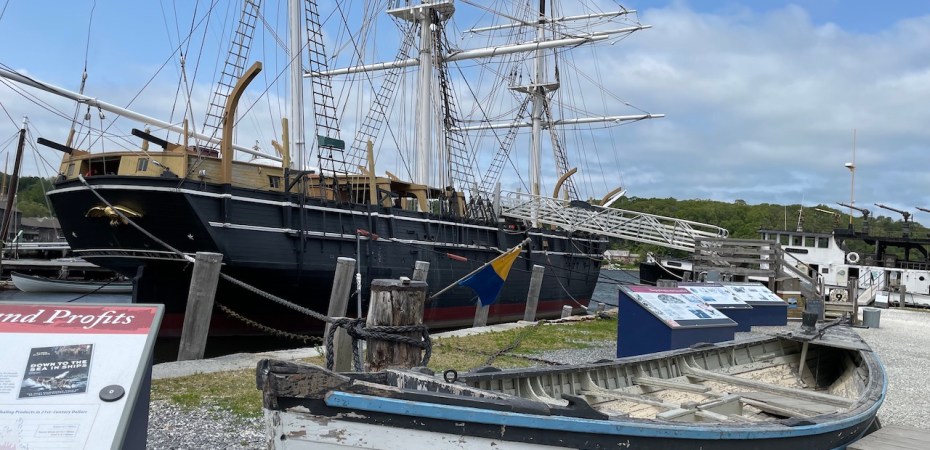
Closer to home for us in New England, we decided to see the Mystic Seaport Museum in Mystic, Connecticut, which was a pleasant surprise, and particularly interesting to somebody into maritime history.

Mystic, CT was one of the largest ship-producing towns of its size during the whaling boom in the mid-1800’s. The museum is located along 19 acres on the shores of the Mystic River, and has numerous ships, many historic buildings, and has has numerous staff members in the exhibits skilled in the trades of the day. Our particular visit was during the Riverfest, so we also had the option to listen to live bands and go to more unique presentations and demonstrations.
The Logistics
Location: Mystic is near the Connecticut coast, roughly 90 minutes from Boston, or about an hour from Providence or New Haven. The Mystic Seaport Museum is located just north of downtown Mystic.
Parking: There are two parking lots. The southern lot is largest and closest to downtown, but the northern lot isn’t much further away.
Cost: Tickets are $28/$26/$24/$/19/free for Adult/Senior/13-17/4-12/0-3
Hours: Varies by season, but at the time of writing the summer museum hours were daily from 10am-5pm, with the grounds closing at 6pm.
Our Experience
Upon arrival, we were quite surprised by the extent of the museum. It is easy to spend a couple of hours here, and if maritime history is of particular interest, you could even spend all day.

We started our day with a few of the exhibition museums. Through various models and paintings we were able to see the different types of ships that were built and used in Mystic.
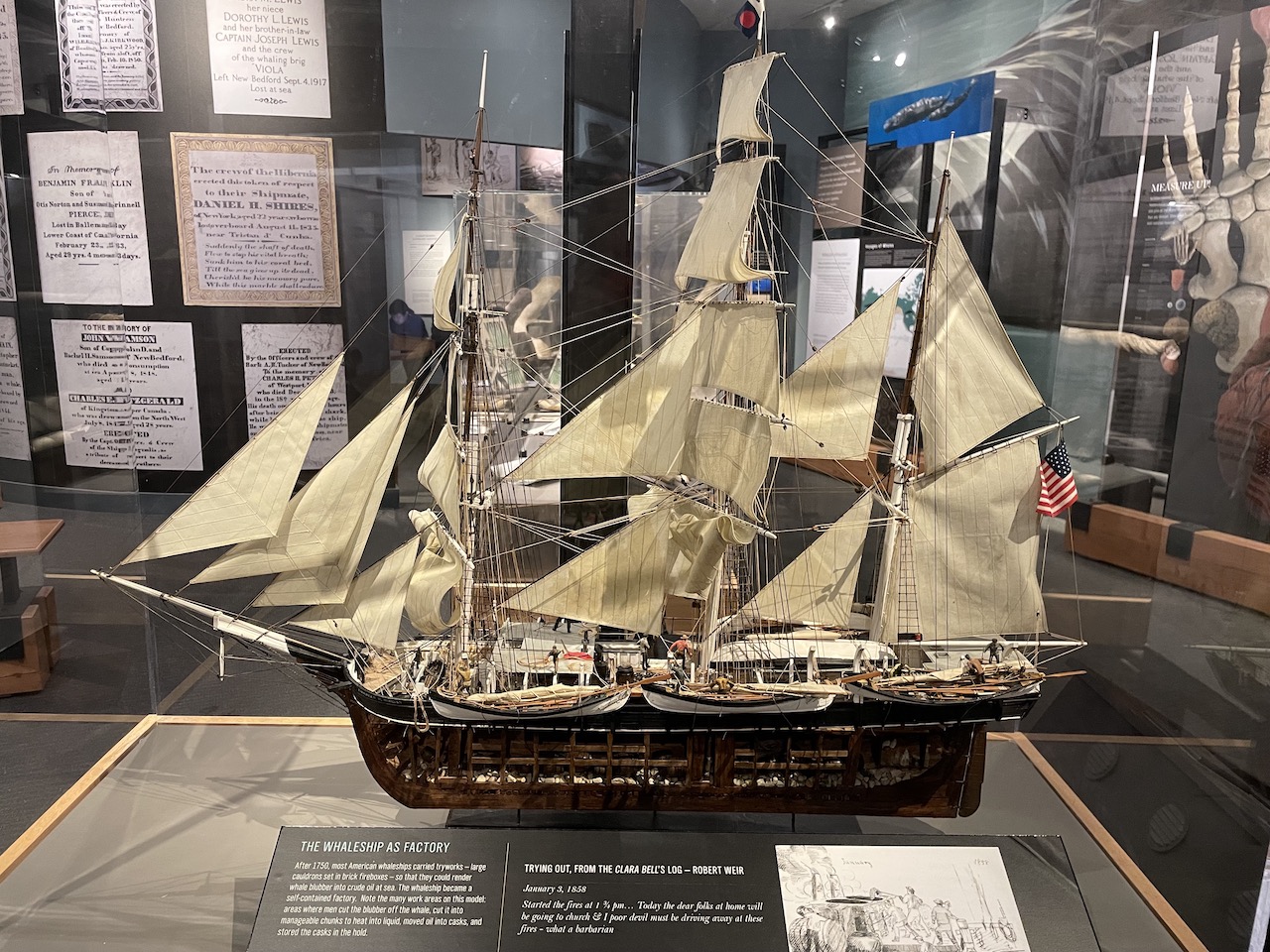
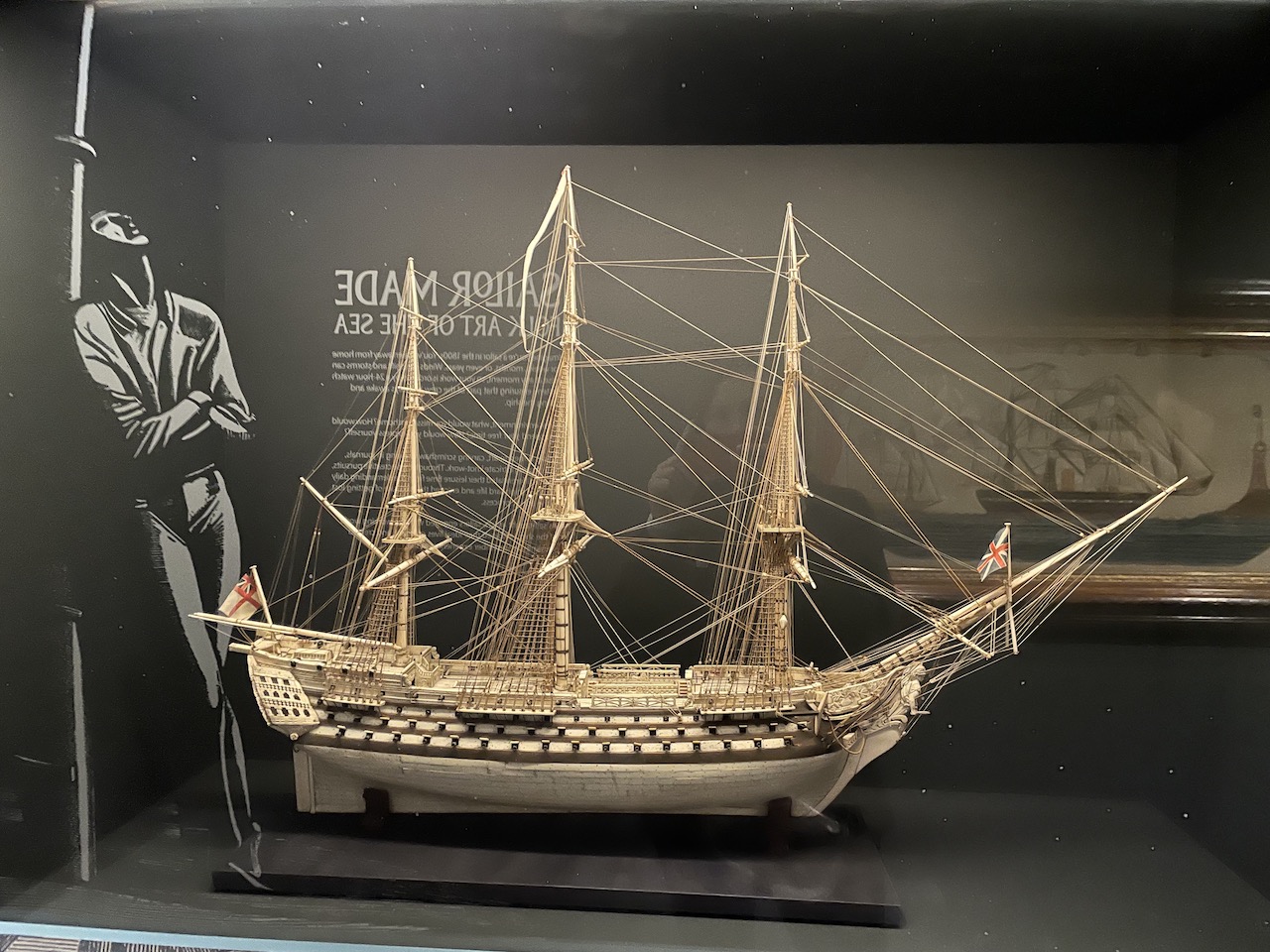
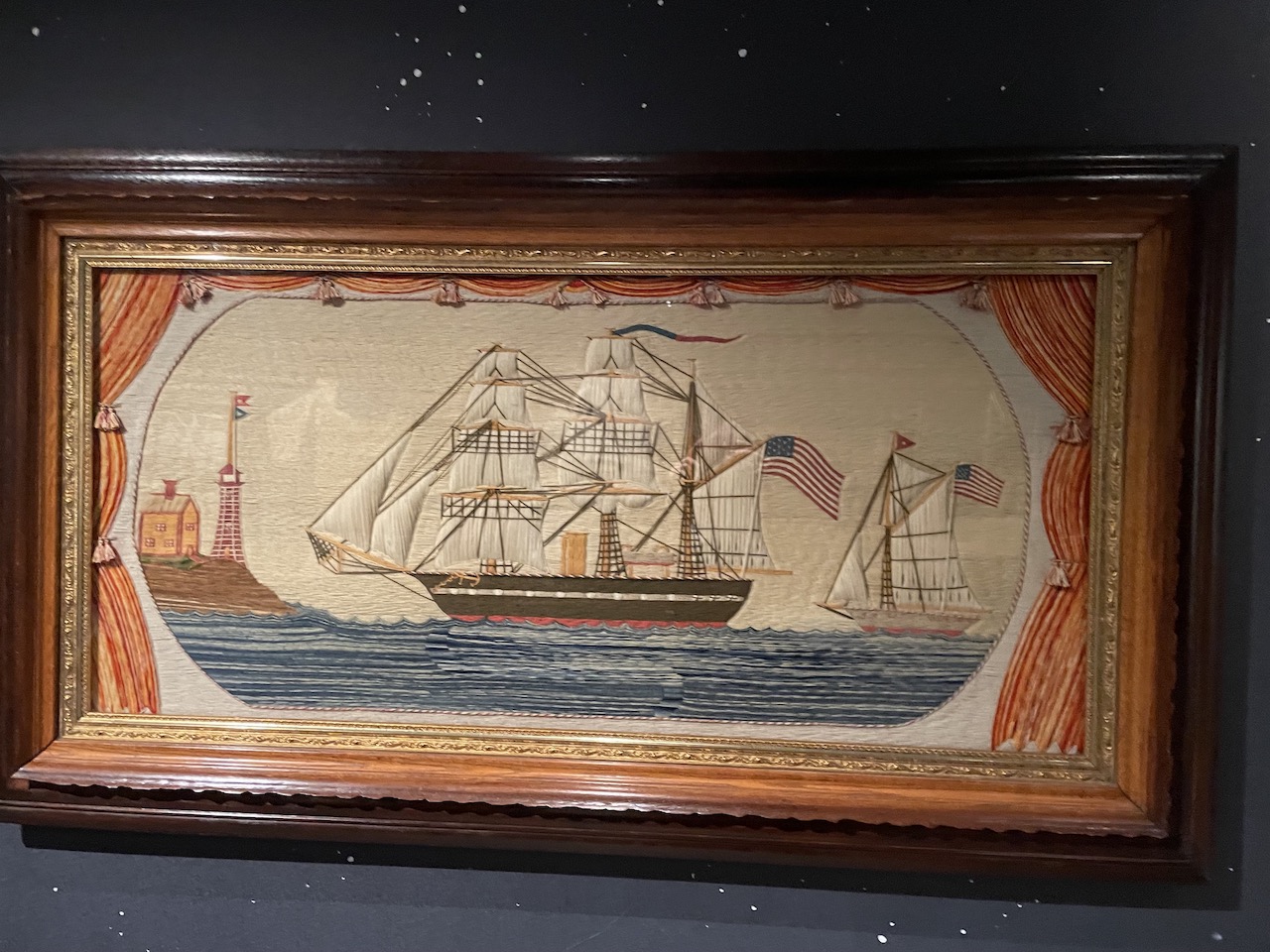
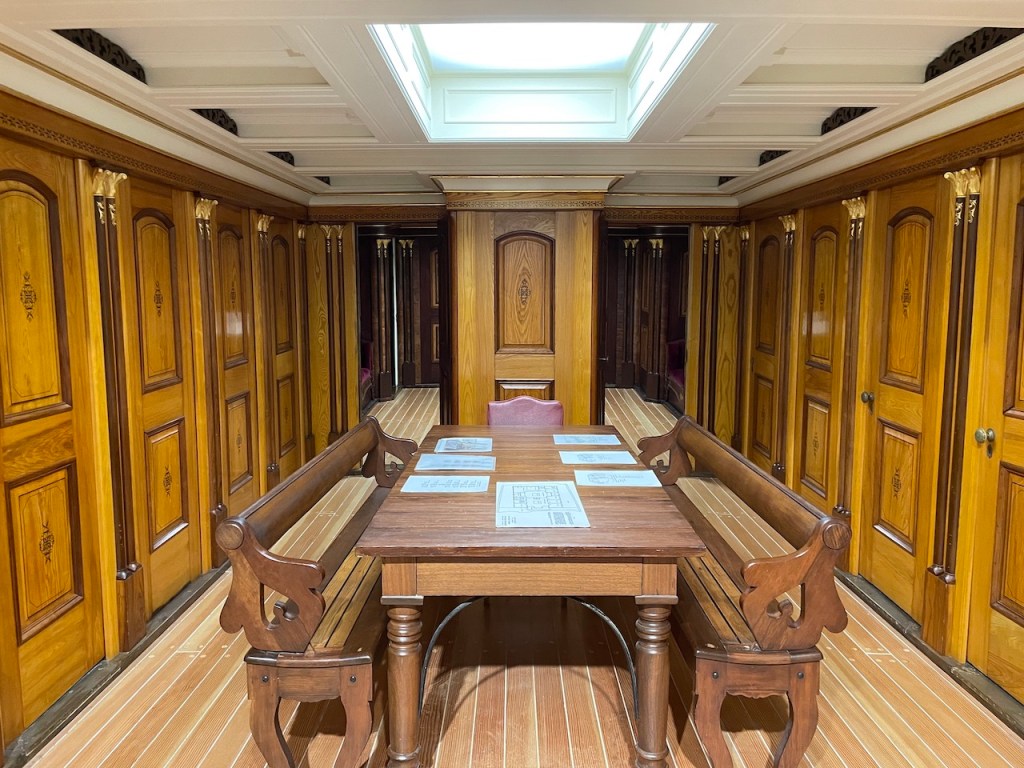
One room showed a nice example of an officer’s/captain’s dining room.
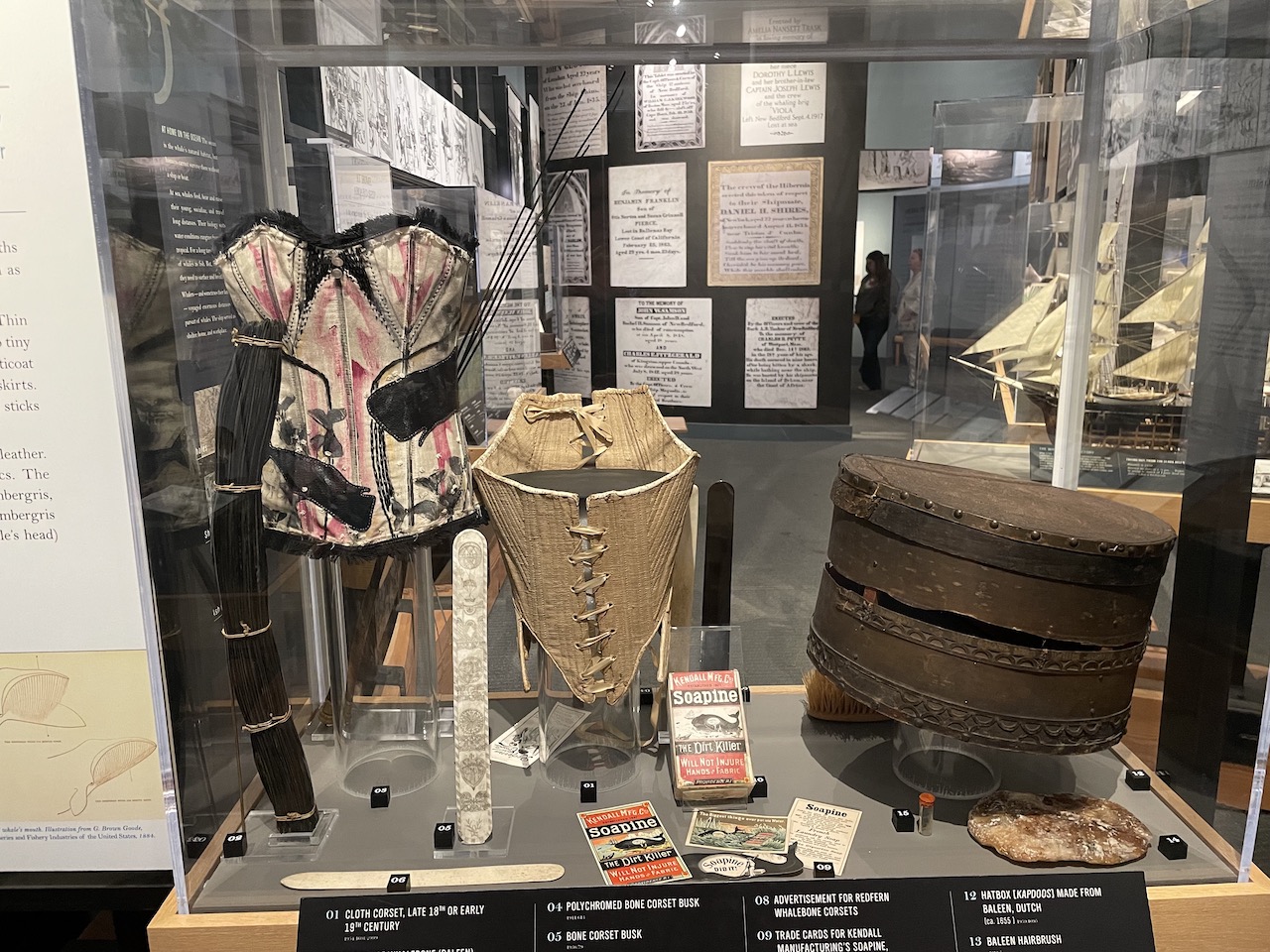
The most interesting part of the history was regarding the whaling industry. While most of the profit was from the whale oil (there were many interesting exhibits on this process), whale bones were also kept and used to make corsets.
We also learned that the owner typically took 2/3 of the profit, while the captain, first mate, and mates took 1/15, 1/24, and 1/50 respectively. The lowly cabin boy would take 1/400 and the other crew members would get somewhere in-between the cabin boy and the mates. There was a lot of incentive to make sure that they didn’t return to shore without a full ship!
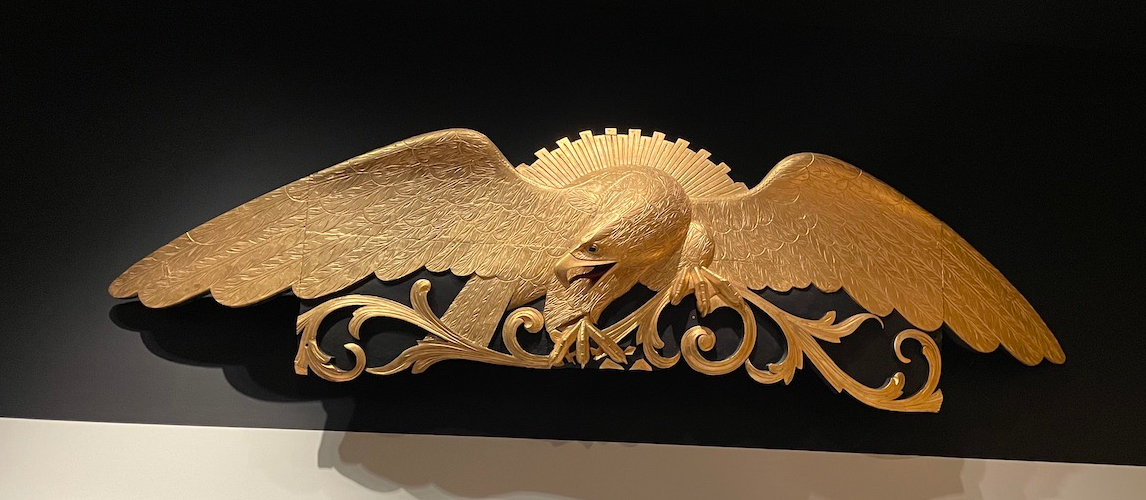
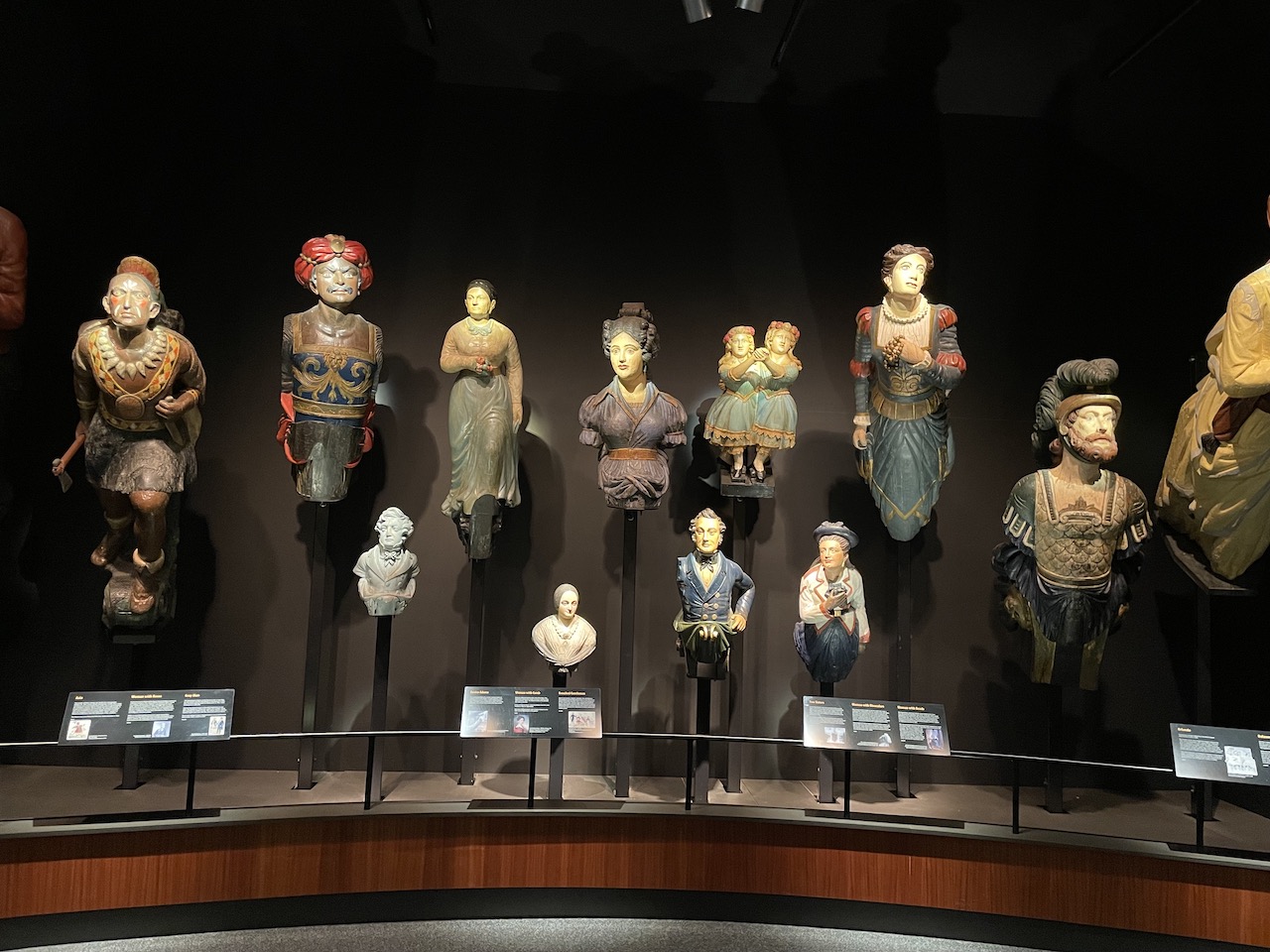
We then continued with a visit to the village. Since historic Mystic was a town that specialized in shipbuilding during the peak of the whaling industry, it is no wonder that many of the shops centered on producing supportive supplies. We were able to watch a blacksmithing demonstration, see a bank, a rope weaving factory, and more.

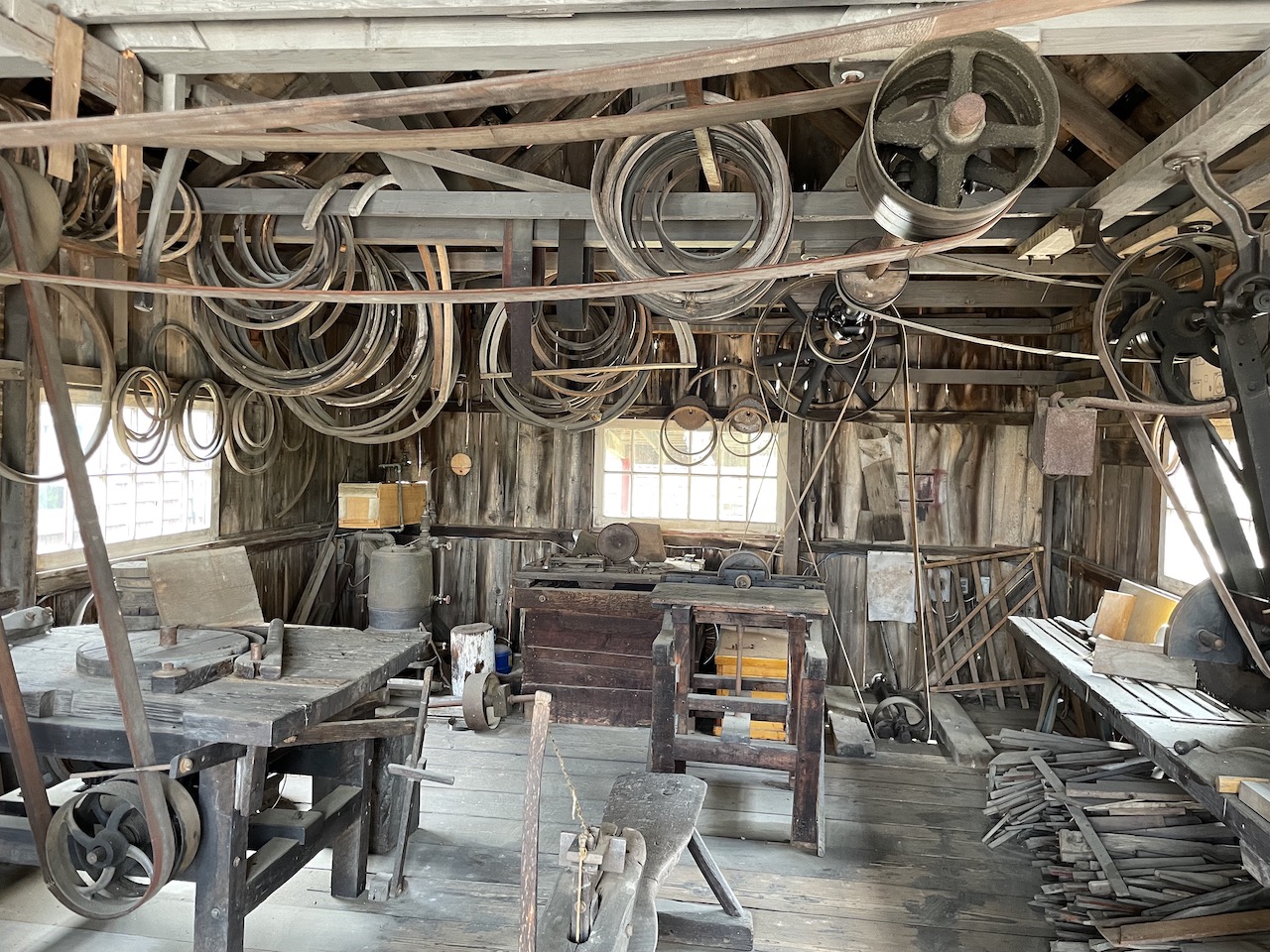
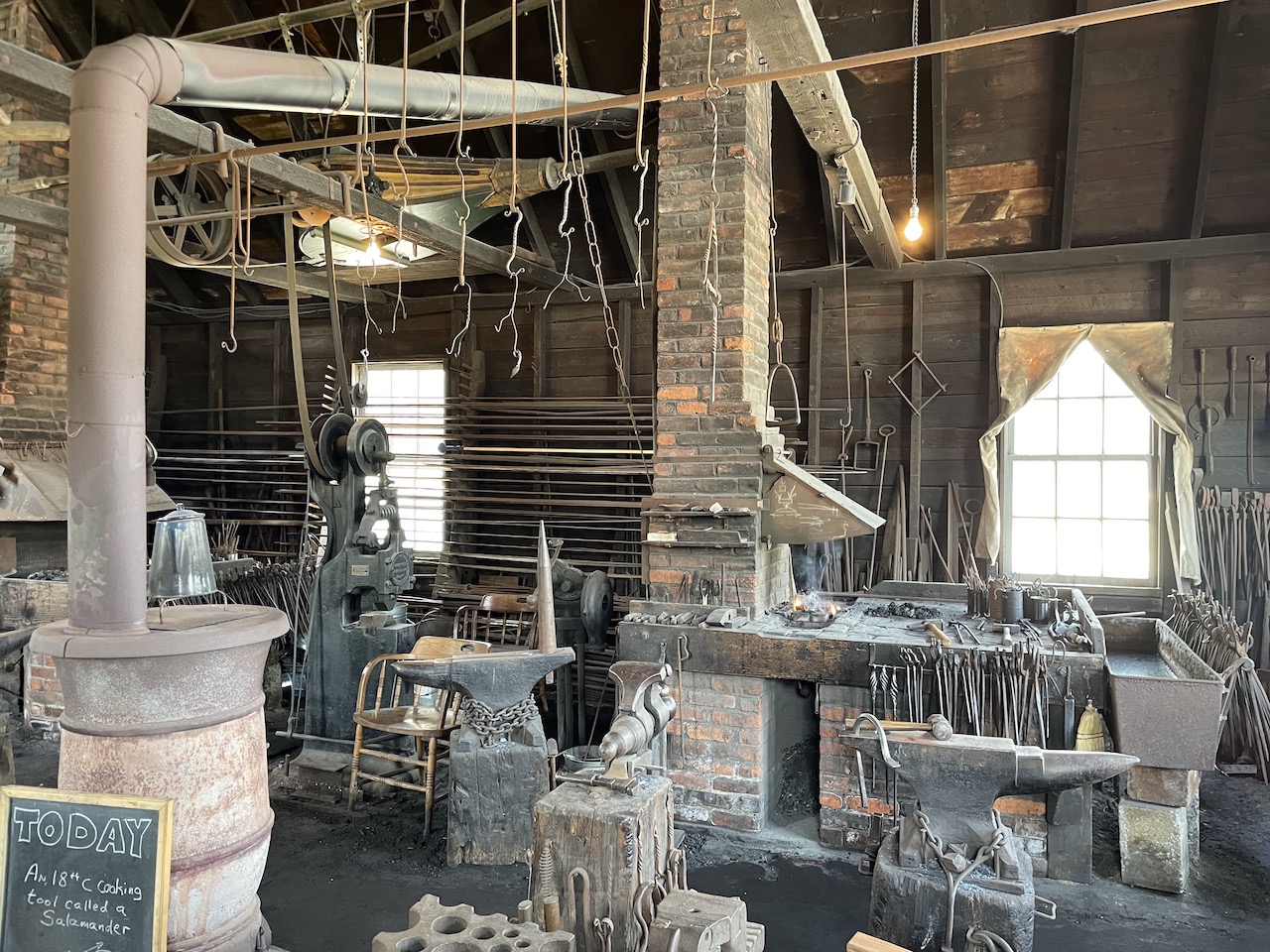
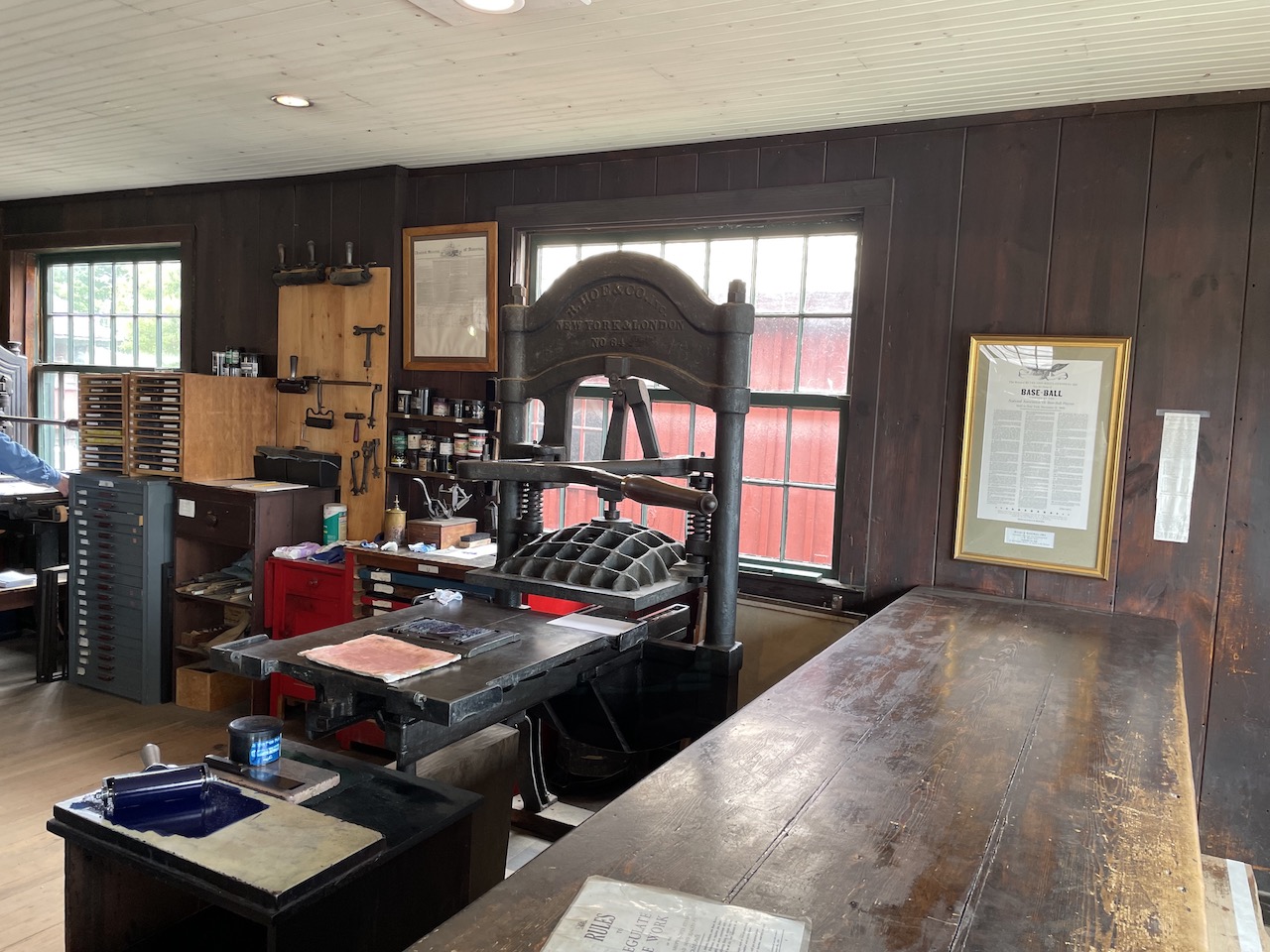
Other buildings were dedicated to supporting the town. It was fascinating to see the bucket of leeches in the pharmacy, and we got a nice demonstration at the printing press.
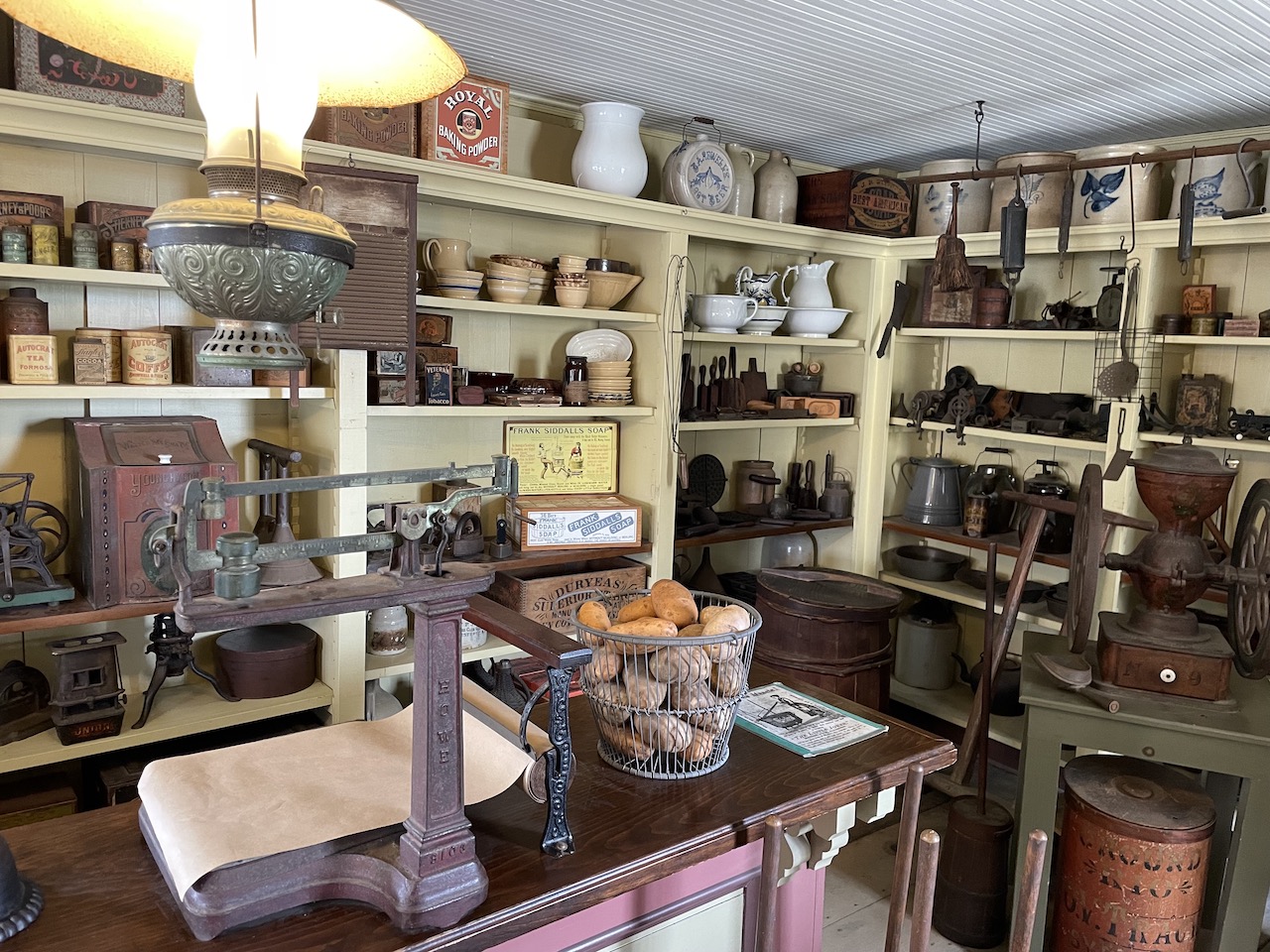

There were churches, a chapel, a schoolhouse, and a lighthouse.
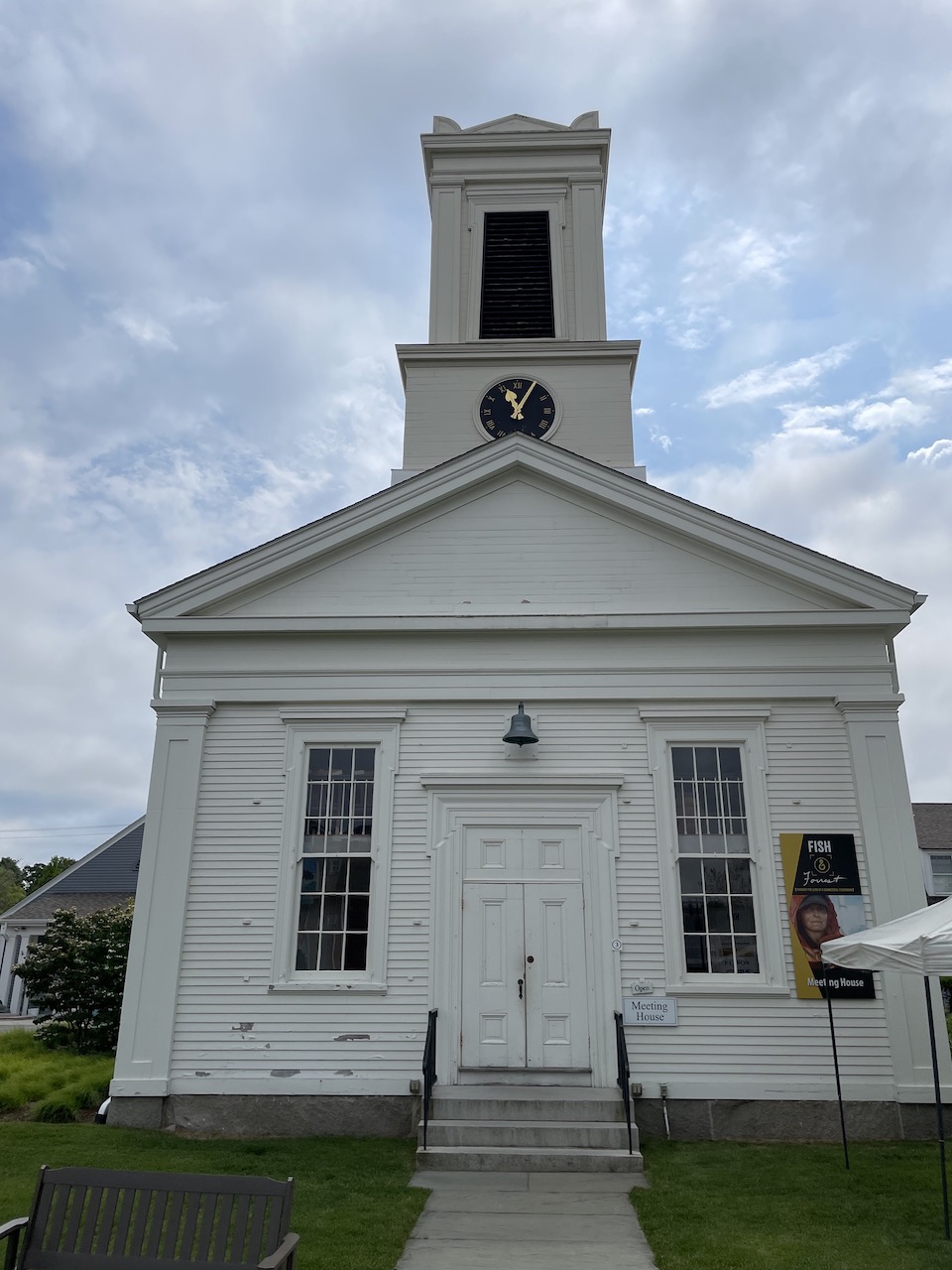
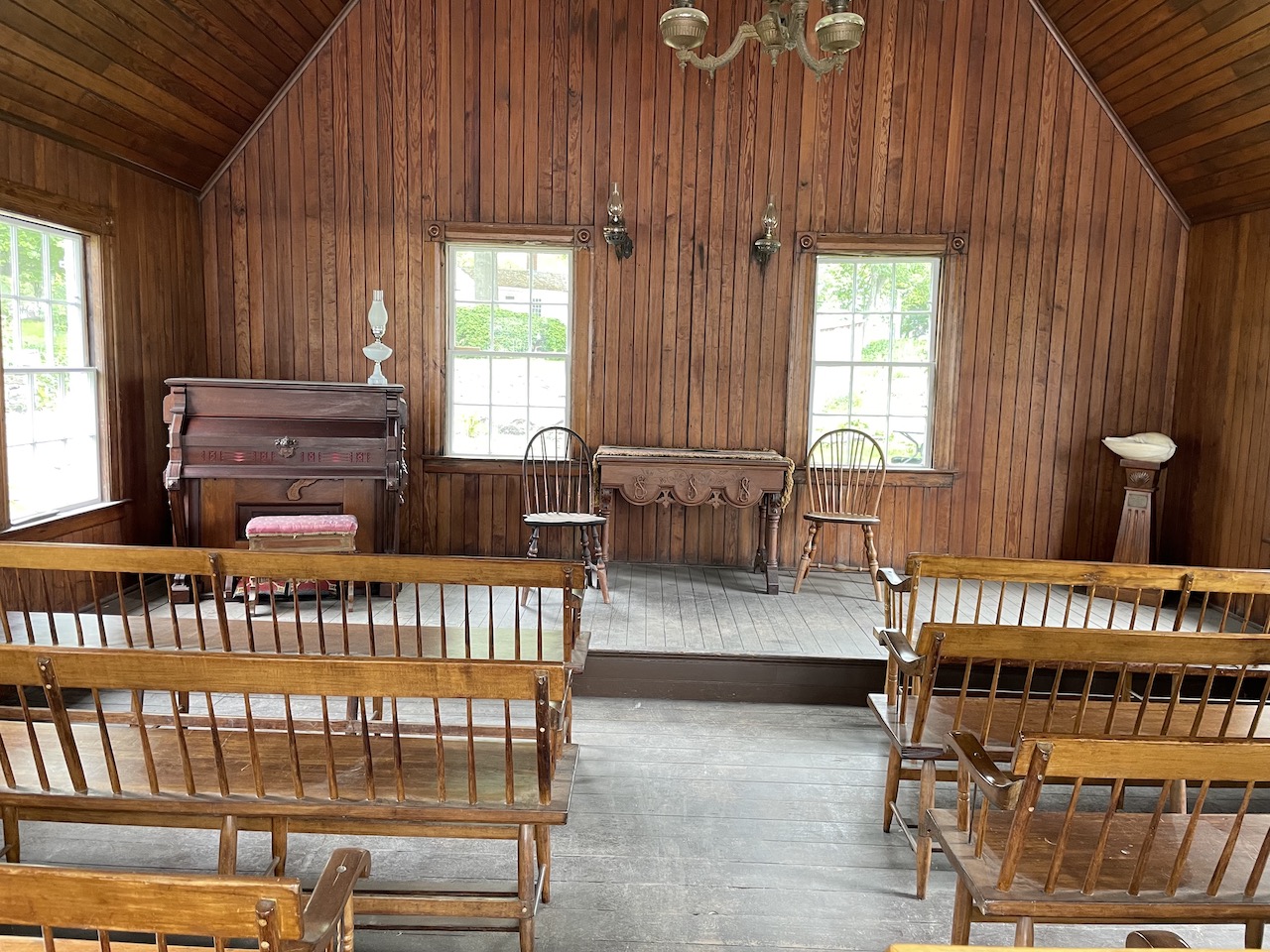
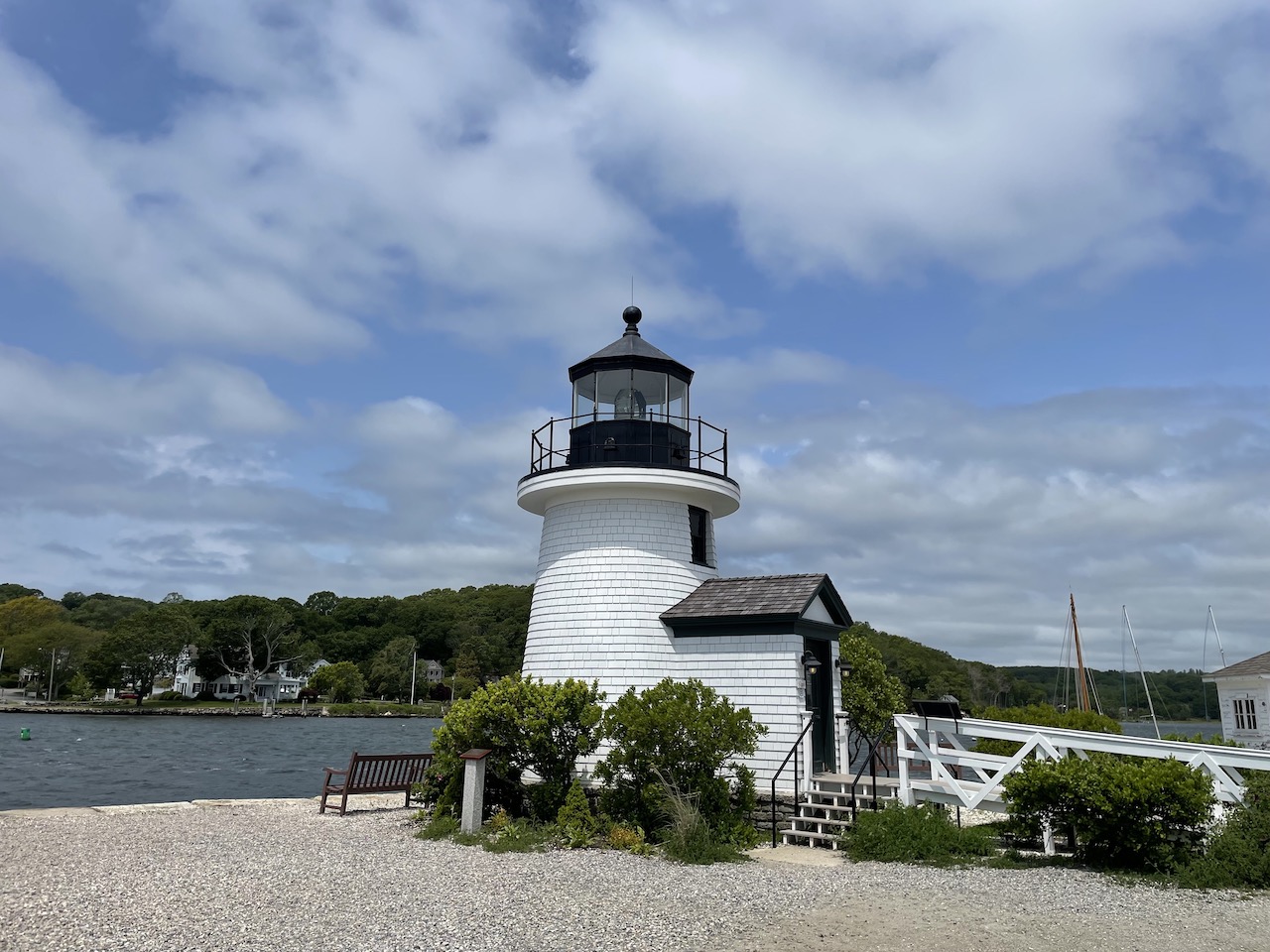
We were able to see the interior of one of the homes, where a woman was giving a cooking demonstration.


In addition to touring the buildings, it is also possible to board several of the ships.
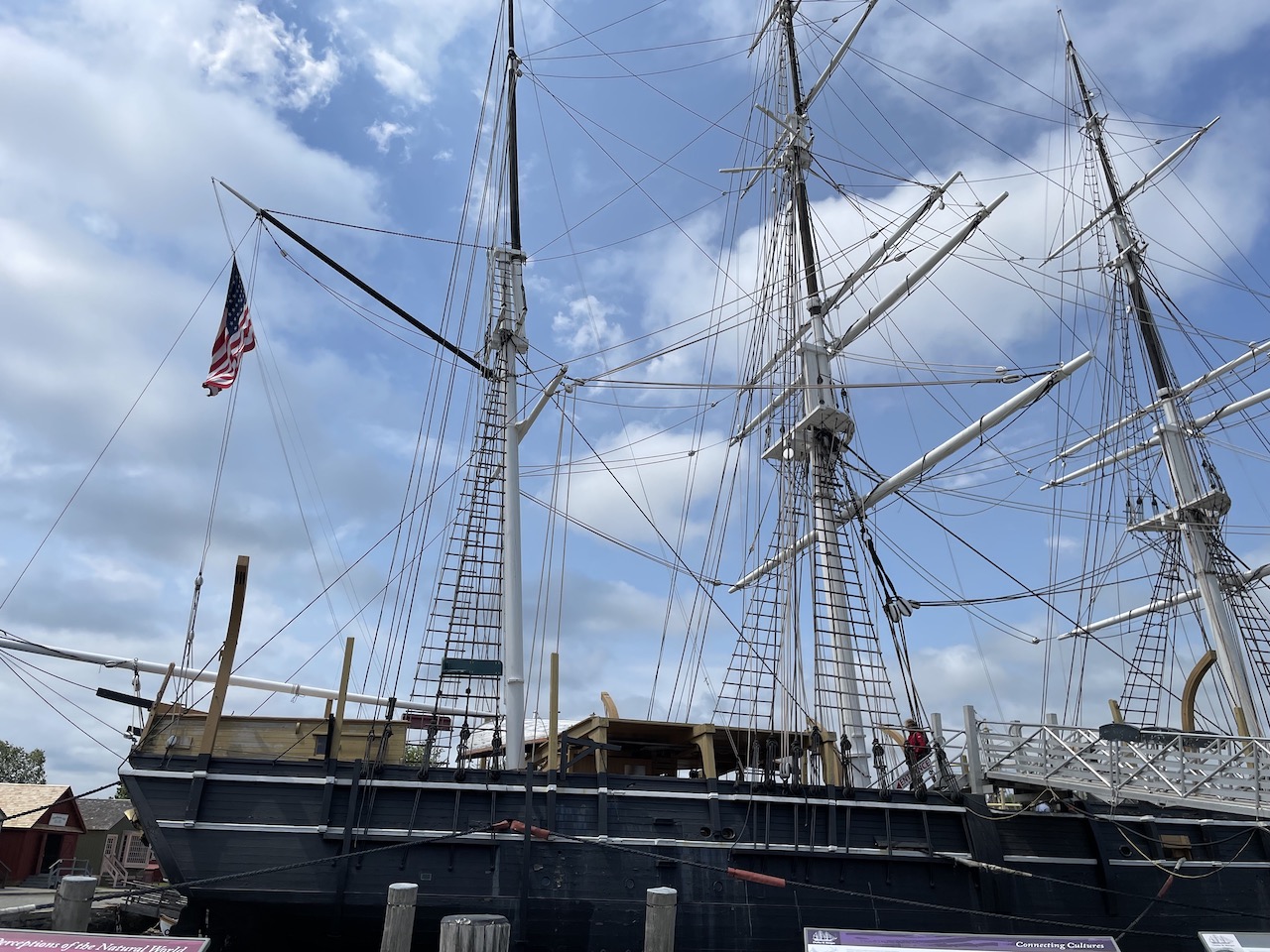
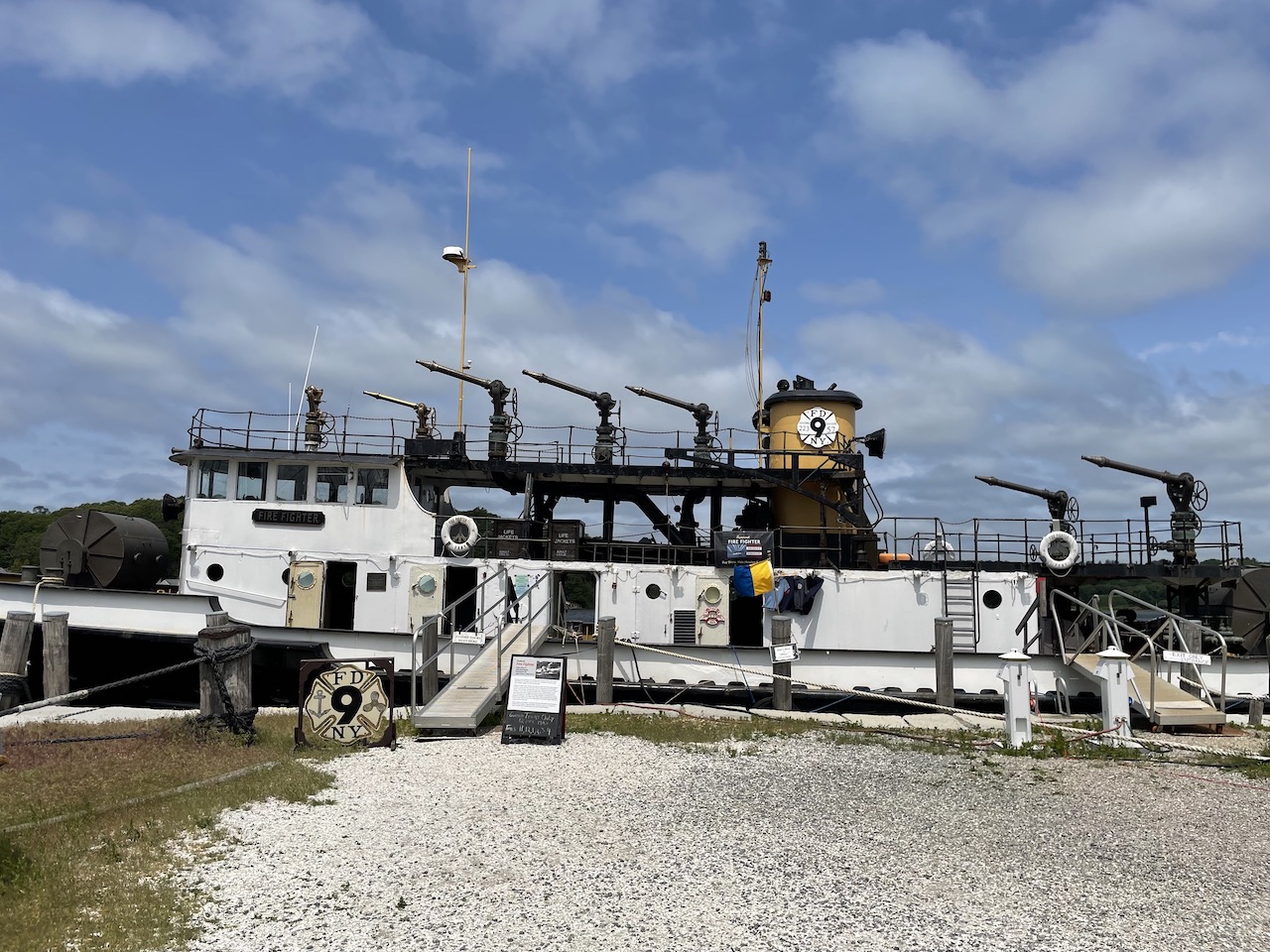

We ended up getting there around opening, seeing exhibits until lunch time, and seeing at the main cafeteria in the park. We viewed a few more exhibits afterwards, and then wandered around downtown Mystic for a little while after that.
If you are in Mystic, Connecticut, don’t miss a visit to the Seaport Museum!
More From Adventures of the 4JLs
Keep reading our travel blog for more adventures in New England:







 Adventures of the 4 JLs